Cayenne and Capsaicin: What Cayenne Pepper Weight Loss Claims Get Right
Quick Answer: Does Cayenne Pepper Help You Lose Weight?
Cayenne pepper weight loss claims are half right. Its active compound, capsaicin, can slightly raise thermogenesis and energy expenditure and may modestly curb appetite. But the effect is small, short-lived, and the evidence for cayenne in finished products is very weak. It is a minor, additive ingredient that works best beside green tea and caffeine, never alone.
- Mechanism: capsaicin nudges heat production and energy expenditure up.
- Appetite: may slightly reduce hunger and increase fullness.
- Reality: effects are small and additive, best combined with green tea.

Why cayenne ends up on every fat-burner label
Open almost any thermogenic supplement and you will find cayenne, usually listed as cayenne pepper extract or standardised for capsaicinoids. The appeal is intuitive: chilli feels hot, heat means burning, burning means fat. That gut-level logic is exactly why cayenne pepper weight loss claims are so sticky, and why they deserve a careful, honest read. The heat is real and the mechanism is real, but the size of the effect is where marketing and evidence part ways. This explainer walks the label with you and separates the two.
Cayenne is a genuine ingredient in SodaBurn, so consider this the candid in-house version: what capsaicin actually does, how big the effect is, where the evidence gets thin, and why the sensible way to use cayenne is as a small, additive component of a green-tea-based blend rather than a hero ingredient sold on its own heat.
The heat-and-burn mechanism, explained
The compound doing the work is capsaicin, the molecule that makes chillies feel hot. When you eat it, capsaicin activates a receptor called TRPV1 — the same sensor that responds to actual heat and to pain. Triggering TRPV1 sets off a mild sympathetic "activation" response: a small, temporary rise in heat production, a modest bump in resting energy expenditure, and in some studies a shift toward using fat for fuel. This is genuine thermogenesis, and it is why capsaicin research is legitimate rather than folklore.
There is a second, arguably more useful, effect. Several studies suggest capsaicin can slightly blunt appetite — reducing hunger and increasing the sense of fullness after a meal — which may quietly trim how much you eat across a day. Appetite is where a great deal of weight management is actually won or lost, so even a small, consistent nudge here is worth more than it sounds. The caveat, again, is size: modest, not transformative.
Two honest limitations sit on top of the mechanism. First, the effects are small at realistic doses and tend to be short-lived. Second, the body adapts: people who eat chilli regularly show blunted responses, so a habitual hot-sauce lover may get less of the thermogenic bump than a newcomer. A real mechanism with a modest, fading effect is precisely the kind of ingredient that gets oversold.
How strong is the cayenne pepper weight loss evidence?
Here is the part the sales pages skip. The mechanism studies — capsaicin raising energy expenditure, nudging appetite — are reasonably supported. But the leap from "capsaicin does something in a metabolic ward study" to "this cayenne capsule causes weight loss" is where the evidence thins out dramatically. Independent evidence for cayenne in finished weight-loss products is very weak: the doses in real products are often modest, the trials are small and short, and the measured weight effects, when present, are tiny.
The most useful way to hold it in your head is arithmetic. If capsaicin adds a small number of calories to daily expenditure and shaves a little off intake, those numbers are real but easily erased by a single extra snack. That is not a reason to dismiss cayenne; it is a reason to size it correctly. It belongs in the same modest tier as several other thermogenic ingredients, a tier our review of the green tea and EGCG weight-loss evidence maps out in more detail, and one the 2026 weight-loss supplement buyer's guide teaches you to weigh before buying.
See how cayenne is combined, not sold alone
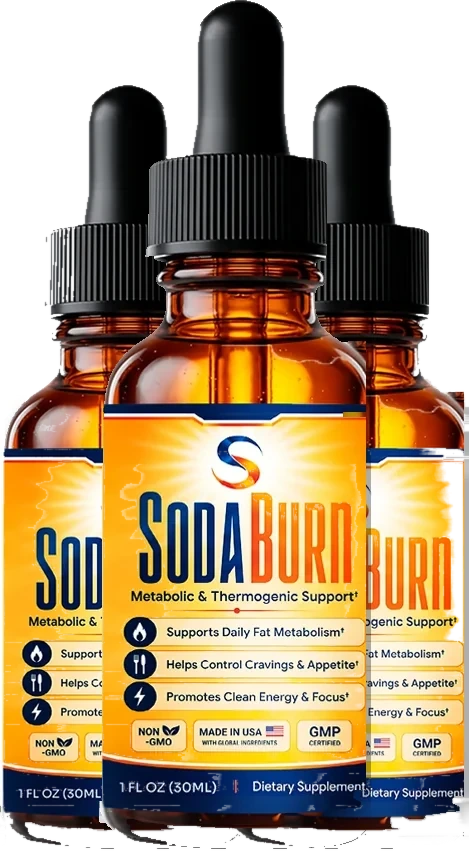
A small ingredient earns its place by stacking with others. The official SodaBurn page shows cayenne alongside green tea, green coffee, L-carnitine and chromium, with amounts and current pricing, so you can judge the combination rather than the hype.
See the Official Ingredient PanelWhy cayenne works best with green tea and caffeine
The strongest case for cayenne is not as a soloist but as part of a section. Thermogenic ingredients tend to work through overlapping, additive mechanisms: green tea catechins nudge energy expenditure, the caffeine that travels with them adds its own documented lift, and capsaicin contributes a small thermogenic and appetite effect on top. None is dramatic alone; the argument for a blend is that several honest, modest effects combine into something slightly more useful than any single one — while a calorie deficit does the real work underneath.
This is also why judging cayenne in isolation misses the point. The relevant question for a buyer is not "does cayenne melt fat" — it plainly does not — but "does this combination, at these amounts, plausibly support my effort." That reframing matters because it moves the conversation from a single miracle ingredient to a sensibly dosed team, which is how the better formulas are actually built. The same additive logic is why L-carnitine shows up beside it; our review of the L-carnitine fat loss benefits and evidence covers that cofactor's modest, complementary role.

Three myths worth cooling down
Myth: the hotter it feels, the more fat you burn. The burning sensation is TRPV1 doing its job; it is not a fat-loss meter. Tolerance also rises with regular chilli intake, so more heat over time can mean less metabolic response, not more. Discomfort is not a dosing signal.
Myth: cayenne suppresses appetite enough to skip meals on. The appetite effect is real but small. Treated as a gentle assist to a deliberate eating plan it is useful; treated as licence to under-eat it backfires, because hunger wins that fight eventually and usually with interest.
Myth: a cayenne capsule is a weight-loss product. Independent evidence for cayenne in finished products is very weak, and the calorie math of realistic doses is small. Sold as a standalone solution it is overselling a spice; used as one additive ingredient in a combined formula it is honest.
Cayenne and capsaicin at a glance
| Question | Honest answer |
|---|---|
| What is the active compound? | Capsaicin, which activates TRPV1 heat-and-pain receptors |
| What does it do? | Slightly raises thermogenesis and energy expenditure; may modestly curb appetite |
| How strong is the product evidence? | Very weak for cayenne in finished weight-loss products |
| Common downside | Mild digestive warmth or stomach upset in sensitive people |
| Best used | Combined with green tea and caffeine, inside a calorie deficit |
Cayenne is a real spark with a real mechanism and a very small flame. The dishonesty is never in the pepper; it is in pretending a spark is a bonfire.
Tolerability: the one thing to watch
For most people cayenne in supplement amounts is well tolerated, but the predictable downside is digestive. Some users notice mild warmth in the stomach, a bit of heartburn or general gastric upset, and those with reflux or a sensitive gut are the most likely to feel it. Taking it with food usually smooths this out, and a liquid or capsule buffers the raw heat compared with straight cayenne powder. As with any thermogenic that carries caffeine in the blend, the usual cautions about caffeine sensitivity, sleep and blood pressure also apply — and none of this is medical advice.
None of these effects change the headline. Cayenne is a legitimate, minor, additive ingredient. In a once-daily formula like SodaBurn it lines up behind green tea and green coffee botanicals, L-carnitine and chromium to support — not replace — a calorie-controlled, active routine. Read the amounts, keep expectations proportional to a spice that adds a spark rather than a furnace, and let the diet do the heavy lifting it always has.
Medical note: this article is general information, not medical advice, and no supplement is intended to diagnose, treat, cure or prevent any disease. Capsaicin can irritate the digestive tract in sensitive people and thermogenic blends often contain caffeine. Speak to a doctor or pharmacist before starting any supplement, especially if you are pregnant, nursing, have reflux, or take medication.
Frequently asked questions
Does cayenne pepper burn fat?
Only a little, and indirectly. Capsaicin, the active compound in cayenne, can slightly raise thermogenesis and energy expenditure, so the body burns a few more calories. The effect is small and additive rather than dramatic, and it does nothing to fat unless it happens inside an overall calorie deficit created by diet and activity.
How does capsaicin boost metabolism?
Capsaicin activates heat-and-pain receptors called TRPV1, which triggers a mild sympathetic response and a small rise in heat production and energy expenditure. It may also encourage the use of fat for fuel. These effects are real but modest, short-lived, and can fade as the body adapts to regular chilli intake.
Is cayenne effective for weight loss?
On its own, barely. Independent evidence for cayenne in finished weight-loss products is very weak, and the calorie effect of realistic doses is tiny. It is best understood as one small, additive ingredient in a combined thermogenic formula, not an effective standalone weight-loss product by itself.
Can cayenne suppress appetite?
Modestly. Some studies find that capsaicin can slightly reduce hunger and increase feelings of fullness, which may nudge total calorie intake down a little. As with the metabolism effect it is small and not universal, and it works best as support for a deliberate calorie deficit rather than as a substitute for one.
Related reading
- Green tea and EGCG weight-loss evidence — the partner ingredient cayenne works best beside.
- L-carnitine for fat loss: benefits and evidence — another modest, additive cofactor in the blend.
- Apple Cider Vinegar Weight Loss Evidence: Small Effects, Big Claims — the stimulant that amplifies cayenne and green tea.
- The 2026 weight-loss supplement buyer's guide — how to size any ingredient claim.
Scientific references
- NIH Office of Dietary Supplements — Dietary Supplements for Weight Loss (capsaicin section)
- Rigamonti A.E. et al. — Acute administration of capsaicin increases resting energy expenditure in young obese subjects without affecting energy intake or appetite, Nutrition Research (2018)
- Urbina S.L. et al. — Effects of twelve weeks of capsaicinoid supplementation on body composition, appetite and self-reported caloric intake in overweight individuals, Appetite (2017)
- NIH NCCIH — Weight control and what the supplement science shows
- NIH NCCIH — Using dietary supplements wisely
See the full thermogenic combination
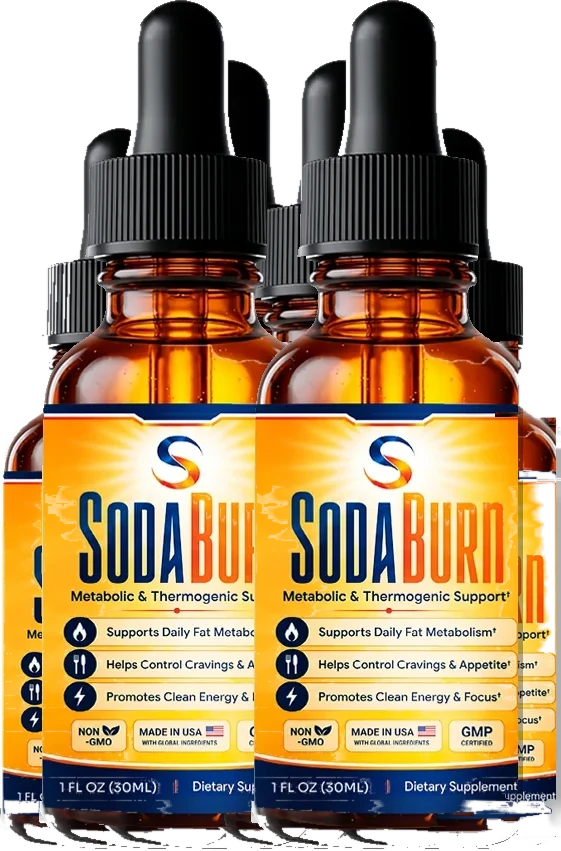
SodaBurn combines cayenne with green tea and green coffee botanicals, L-carnitine and chromium in a once-daily dropper meant to support an active, calorie-controlled routine. The official page lists every amount and the current price.
View Ingredients & Availability