L-Carnitine for Fat Loss: Benefits and What the Evidence Really Shows
Quick Answer: Does L-Carnitine Help You Lose Fat?
The L-carnitine fat loss evidence is modest. It shuttles fatty acids into the mitochondria to be burned, which supports fat utilisation, but human weight-loss data is weaker than for green tea or berberine. Reviews show small average reductions, mainly in older or heavier people, and only with consistent use. Treat it as a cofactor beside exercise, not a fat burner.
- Role: transports long-chain fatty acids into mitochondria for energy.
- Evidence: subtle effects; weaker than green tea or berberine.
- Best used: paired with exercise, consistently, over weeks.
What L-carnitine is, and why it ended up in fat burners
L-carnitine is an amino-acid-derived compound your body already makes and stores mostly in muscle, with the rest coming from meat and dairy in the diet. Its day job is unglamorous but essential: it acts as a ferry for fat. That single function is the reason it migrated from sports nutrition into nearly every "fat burner" on the shelf, and it is also the reason the L-carnitine fat loss story is more nuanced than the marketing suggests. A compound that helps burn fat sounds like it should cause fat loss. Biology, as usual, adds conditions.
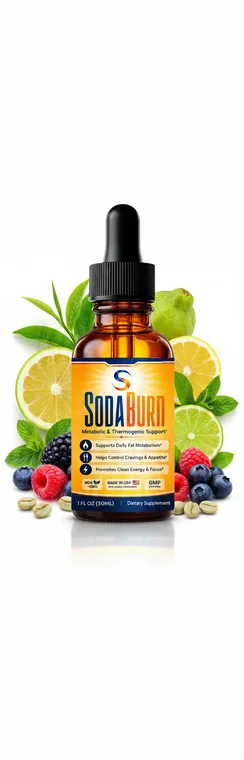
This is an evidence review rather than a sales pitch. L-carnitine is a genuine ingredient in SodaBurn, so we have every incentive to oversell it and no intention of doing so. Instead we will explain the transport role accurately, show what the human trials actually found, give sensible dosing, and place carnitine where it belongs: as one of several cofactors in a combined thermogenic formula, not a standalone answer.
How L-carnitine works: the fat-transport role
To burn fat for energy, a cell has to get fatty acids inside its mitochondria — the tiny power plants where fuel is actually oxidised. Long-chain fatty acids cannot cross the inner mitochondrial membrane by themselves. L-carnitine is the shuttle that carries them across, via a transport system often abbreviated as the carnitine shuttle. Without carnitine, that fat simply cannot get to the furnace. This part is textbook biochemistry and not in dispute.
The leap the marketing makes is to assume that more carnitine means more fat burned. It usually does not, for a simple reason: in healthy, well-fed people, muscle carnitine levels are already sufficient, and the shuttle is not the bottleneck. Adding more shuttles does not force more fat through the door when the door was never the limiting step. What changes the equation is when carnitine status is low, or when energy demand is high enough that fat oxidation is genuinely being pushed — which is exactly why the effect is subtler than a mechanism diagram implies, and why it leans so heavily on context.
What the L-carnitine fat loss evidence actually shows
Here is the candid version. Meta-analyses that pool the human trials have found a small average reduction in body weight with L-carnitine supplementation — real enough to reach statistical significance, but small in absolute terms, on the order of a couple of pounds averaged across studies. Crucially, the effect appears more reliable in adults who are older or living with obesity, and much fainter in lean, already-active people. The trials also vary in quality and length, which widens the uncertainty.
Put plainly, the human weight-loss evidence for L-carnitine is weaker and less consistent than the evidence base for green tea catechins, and it is studied differently from berberine. If you want the fuller picture on the ingredient with the sturdier data, our review of the green tea and EGCG weight-loss evidence is the better benchmark, and our explainer on berberine for weight loss and the AMPK pathway covers the other trending option. Carnitine's honest position is a supporting cofactor whose benefits are subtle, depend on consistent use, and only surface inside a calorie deficit.
See how much L-carnitine is actually in the bottle
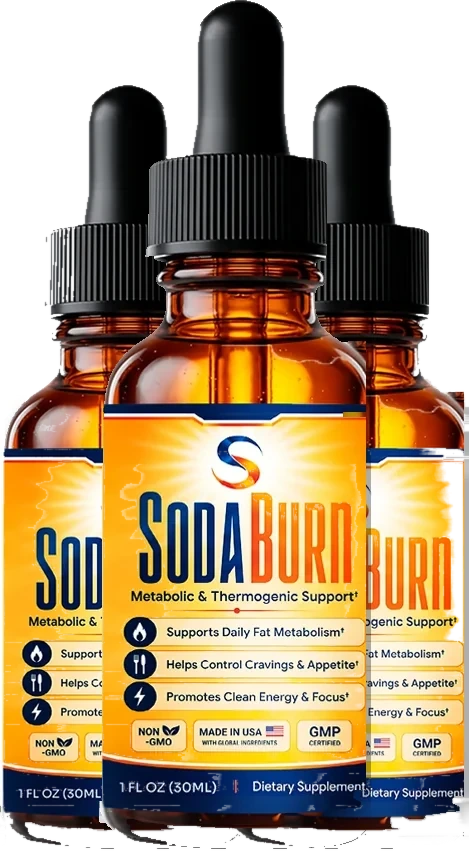
A cofactor only matters at the amount studies used. The official SodaBurn page lists L-carnitine alongside the green tea, green coffee, cayenne and chromium, with amounts and current pricing, so you can check the label against the evidence on this page.
Check the Full Ingredient PanelHow much L-carnitine to take, and the forms you will see
Trials most often use somewhere between one and three grams a day, usually split into two doses taken with meals, and — this is the part people skip — taken consistently for weeks. Carnitine is not an acute stimulant you feel within an hour; any effect builds through steady use, so the "I tried it for three days and felt nothing" verdict is not a fair test. More is emphatically not better: pushing well above these ranges mostly raises the odds of nausea, stomach cramps, diarrhoea and, at high intakes, a distinctive fishy body odour.
You will also meet different forms on labels. Plain L-carnitine (often as L-carnitine tartrate) is the workhorse used in most exercise studies. Acetyl-L-carnitine is marketed more for cognitive and nervous-system uses. Propionyl-L-carnitine shows up in circulation-focused research. For fat-loss and exercise contexts, the tartrate and plain forms are the relevant ones, and the number worth checking on any product is the actual elemental carnitine amount, not just the compound weight.

Two myths and one fair objection
Myth: L-carnitine "melts fat" on its own. It does not. It enables a step in fat burning; it does not create the energy deficit that fat burning requires. Take it, eat in surplus and sit still, and there is nothing for the extra shuttles to do. The deficit is the engine; carnitine is, at most, a bit of grease on one moving part.
Myth: if some helps, a mega-dose helps more. Absorption of oral carnitine is limited and the body defends a fairly stable muscle level, so stacking grams beyond the studied range buys side effects, not results. This is a consistent theme across thermogenic ingredients, and it is one of the questions our 2026 weight-loss supplement buyer's guide teaches you to ask of any label.
Fair objection: "So why is it in the formula at all?" Because a thermogenic blend is built on additive, complementary mechanisms rather than one hero ingredient. Green tea and caffeine nudge energy expenditure, cayenne adds a small thermogenic push, and carnitine supports the fat-utilisation side of the same coin. None is dramatic alone; the rationale is that modest, honest mechanisms stack better together than any one does by itself.
L-carnitine at a glance
| Question | Honest answer |
|---|---|
| What does it do? | Shuttles long-chain fatty acids into mitochondria to be burned |
| How strong is the weight evidence? | Small and inconsistent; weaker than green tea, studied differently from berberine |
| Who benefits most? | Older adults and people with obesity; faint effect in lean, active people |
| Typical study dose | About 1–3 g/day, split, taken consistently for weeks |
| Best paired with | Exercise and mild stimulants like caffeine |
L-carnitine is a legitimate cofactor with a clear biochemical job and a modest, conditional payoff. The mistake is expecting a shuttle to also be the fuel and the furnace.
Why exercise is the setting where it makes most sense
If there is one takeaway that reconciles the enthusiastic mechanism with the muted trials, it is this: carnitine is a support ingredient for people who are already creating an energy demand. Exercise raises the call for fat as fuel; a calorie deficit keeps that demand pointed at stored fat rather than incoming food. In that setting, supporting the fat-transport step is plausible and low-risk. Absent training and a deficit, there is simply less for it to support, which is why it is routinely paired with activity and mild stimulants rather than sold as a sit-still solution.
That framing also sets expectations correctly. A once-daily liquid like SodaBurn puts carnitine next to green tea, green coffee, cayenne and chromium so the cofactors line up behind your effort — it is designed to support an active, calorie-controlled routine, not to replace one. Anyone told a dropper will do the work while the diet and the gym stay the same has been sold a story the evidence does not back.
Medical note: this article is general information, not medical advice, and no supplement is intended to diagnose, treat, cure or prevent any disease. Speak to a doctor or pharmacist before starting L-carnitine or any supplement, especially if you are pregnant, nursing, on dialysis, taking medication such as thyroid or blood-thinning drugs, or managing a health condition.
Frequently asked questions
Does L-carnitine help you lose fat?
A little, and mostly with a catch. Reviews of human trials show small average reductions in body weight, and the effect is more reliable in people who are older or have obesity. In lean, active people the weight-loss signal is faint. It is a supporting cofactor within a calorie deficit, not a standalone fat burner.
How does L-carnitine work for weight loss?
L-carnitine shuttles long-chain fatty acids across the membrane into the mitochondria, where they are burned for energy. In theory that supports fat utilisation, but muscle carnitine is usually not the limiting step, so simply adding more does not force the body to burn extra fat unless a real energy deficit is already present.
How much L-carnitine should you take?
Studies commonly use roughly one to three grams a day, often split into two doses with meals, and benefits depend on taking it consistently for weeks rather than days. More is not better; very high amounts mainly raise the risk of nausea, cramping and a fishy body odour. Check the amount on any label against these study ranges.
Is L-carnitine better with exercise?
Yes, that is where it makes most sense. L-carnitine supports the use of fat for fuel, and exercise creates the energy demand that gives that pathway something to do. It is routinely paired with training and mild stimulants like caffeine, and it is best viewed as support for an active routine rather than a substitute for one.
Related reading
- Berberine for weight loss: what to know — the AMPK-activating alternative carnitine is sometimes stacked with.
- Cayenne and capsaicin: thermogenic fat burning — another small, additive mechanism in the same blend.
- The 2026 weight-loss supplement buyer's guide — how to read amounts and claims.
- Green tea and EGCG weight-loss evidence — the sturdier evidence base to benchmark against.
Scientific references
- NIH Office of Dietary Supplements — Carnitine fact sheet
- NIH ODS — Dietary Supplements for Weight Loss
- Pooyandjoo M. et al. — The effect of (L-)carnitine on weight loss in adults: a systematic review and meta-analysis of randomised controlled trials, Obesity Reviews (2016)
- Stephens F.B. et al. — New insights concerning the role of carnitine in the regulation of fuel metabolism in skeletal muscle, The Journal of Physiology (2007)
- NIH NCCIH — Using dietary supplements wisely
See L-carnitine in its full formula context
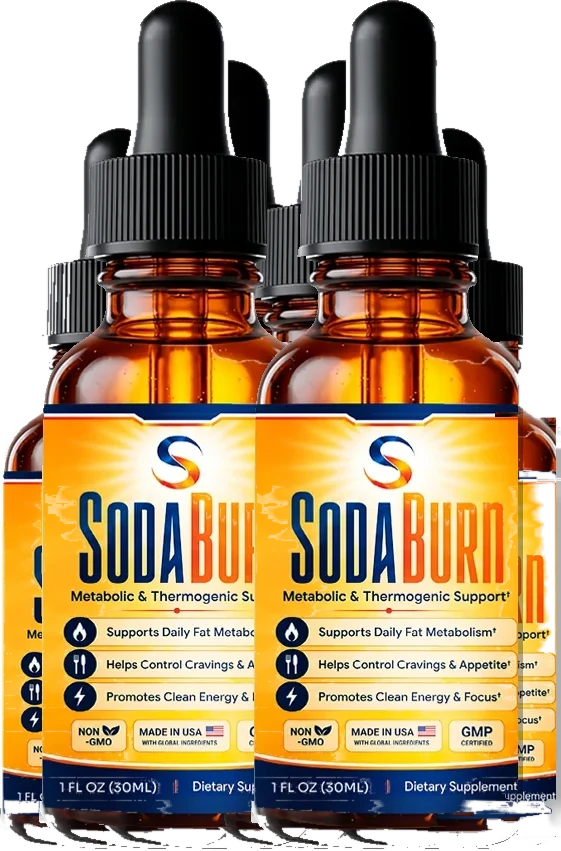
SodaBurn pairs L-carnitine with green tea and green coffee botanicals, cayenne and chromium in a once-daily dropper meant to support an active, calorie-controlled routine. The official page lists every amount and the current price.
View Ingredients & Availability