Berberine for Weight Loss: What to Know Before You Compare Metabolic Supplements
Quick Answer: Does Berberine Help With Weight Loss?
Berberine for weight loss produces small, short-term effects at best. It activates AMPK, the same energy-sensing pathway as the diabetes drug metformin, which improves glucose uptake and lipid handling. Human trials are small and brief, benefits are modest, and digestive upset is common. Treat it as marginal support inside a calorie deficit, never a standalone fat burner.
- Mechanism: activates AMPK, aiding glucose uptake and lipid metabolism.
- Evidence: weak-to-modest, from small, short-duration studies.
- Trade-off: digestive discomfort is common, worse on an empty stomach.
Why berberine keeps showing up in 2026 supplement comparisons
If you have spent any time comparing metabolic supplements this year, you have met berberine. It is a bright-yellow plant alkaloid pulled from shrubs like barberry, goldenseal and Oregon grape, and it has been used in traditional medicine for centuries. What made it a 2026 talking point is not the tradition but the marketing: a wave of short videos rebranded it as a natural metabolic switch, and searches for berberine for weight loss climbed alongside the hype. The interest is understandable. The claims, as usual, run well ahead of the evidence.
This article is the version we wish more comparison pages wrote. It explains the mechanism honestly, tells you what the human trials actually found, is candid about the side effects, and then places berberine next to the ingredient family a green-tea dropper like SodaBurn is built on — so you can decide on tolerance and evidence rather than on a trending clip. SodaBurn does not contain berberine, and we will say plainly why that is a defensible formulation choice rather than an omission to apologise for.
How berberine works: the AMPK pathway, explained plainly
The reason berberine is taken seriously at all comes down to one enzyme: AMP-activated protein kinase, usually shortened to AMPK. Think of AMPK as a cell's low-fuel warning light. When a cell's energy runs low, AMPK switches on and tells the cell to pull in glucose, burn stored fuel and ease off on making new fat and cholesterol. Berberine activates that same switch. That is a genuine, well-documented mechanism, not marketing.
It is also the reason berberine is so often described as behaving like the prescription drug metformin, which acts on the same AMPK pathway berberine switches on. That comparison is useful for understanding the biology and misleading if taken further. Metformin is a regulated medicine with decades of trials behind it; berberine is a supplement with a fraction of that evidence, no standardised dosing across products, and none of the same oversight. Sharing a pathway is not the same as sharing an effect size or a safety record.
Downstream of AMPK, berberine has been studied mostly for glucose uptake and lipid metabolism — how the body moves sugar out of the blood and how it handles cholesterol and triglycerides. Weight change, when it appears in trials, tends to be a secondary outcome that follows those metabolic shifts rather than a dramatic primary result. That ordering matters, because it tells you what berberine is actually good at, and it is not appetite-crushing fat loss.
What the research actually shows about berberine for weight loss
Here is the honest summary. The controlled trials on berberine are mostly small, mostly short (often eight to twelve weeks), and frequently run in people who already have metabolic problems such as high blood sugar, insulin resistance or fatty liver rather than in otherwise healthy people looking to lose a few pounds. In those populations, pooled analyses have reported modest improvements in body weight, body mass index and waist measurements, alongside the glucose and lipid changes that are berberine's stronger suit.
Modest is the operative word. The weight effects are on the smaller end of what supplement ingredients show, the trials rarely run long enough to tell you whether the effect lasts, and the quality of the underlying studies is uneven. None of this makes berberine useless. It makes it a supporting compound with a real but limited role, whose benefits show up only inside a genuine calorie deficit — the same caveat that applies to every ingredient in this category, including the green tea catechins we cover in our review of the green tea and EGCG weight-loss evidence.
One practical note for buyers: berberine is poorly absorbed, so the dose in the bottle is not the dose your body uses. This is one reason products and studies land on split daily doses rather than a single large one, and it is also why blanket comparisons between products are so hard — formulations vary enormously.
Compare the actual ingredient amounts, not the hype
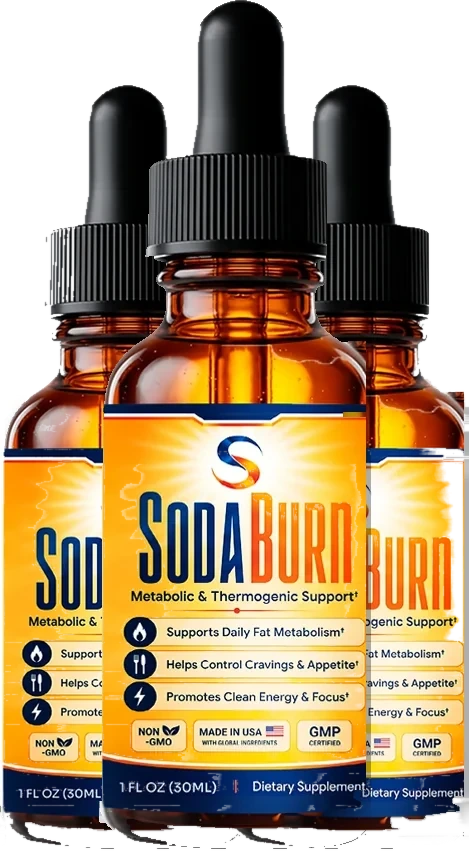
Whether a formula uses berberine or green tea, the numbers on the label decide whether it can behave like the studies. The official page lists every SodaBurn ingredient, its amount and the current price, so you have something concrete to weigh against the evidence above.
See the Official Ingredient PanelBerberine's side effects and who should be cautious
The catch with berberine is felt in the gut. The most commonly reported side effects are digestive: cramping, diarrhea, constipation, bloating and general stomach upset. These are dose-dependent and, by most accounts, noticeably worse on an empty stomach and when the full daily amount is taken all at once. The standard mitigations are to split the dose across meals and to take it with food, which is exactly why so many regimens use two or three smaller doses a day.
The more important caution is about interactions. Because berberine influences the same metabolic machinery as some medications — and because it can affect how the liver processes certain drugs — it is not a casual add-on for anyone taking prescriptions, particularly medicines for blood sugar or blood pressure. Pregnant and nursing women are routinely advised to avoid it. This is a genuine "ask a clinician first" ingredient, and our checklist on checking supplements against the medicines you already take walks through how to have that conversation.
Berberine vs green tea: two different bets, not a knockout
People want a single answer to "berberine or green tea?" and there isn't one, because the two ingredients are good at slightly different things. Green tea catechins, chiefly EGCG, have the larger and more consistent evidence base for weight and weight maintenance, and they come with caffeine that adds a mild, documented lift in energy expenditure. Berberine's stronger evidence is for glucose and lipids, with weight as a secondary, more modest outcome. Neither is dramatic, and neither works without the diet doing the heavy lifting.
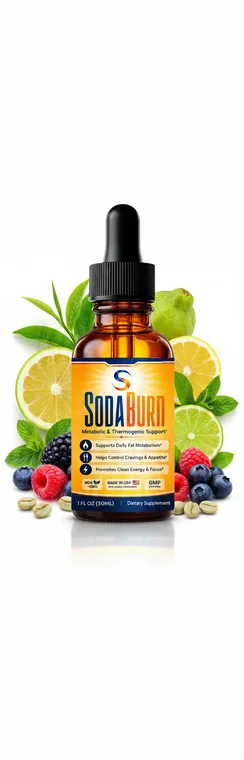
That is the honest frame for a formulation choice. A green-tea-based dropper like SodaBurn is a bet on the catechin-and-caffeine thermogenic route, paired with cofactors like L-carnitine and cayenne, rather than on an AMPK alkaloid with a heavier gastrointestinal cost. It is a legitimate bet: the thermogenic route has broad evidence and, for most people, a gentler tolerance profile. Berberine is not in every formula precisely because it is a trade-off, not a free upgrade.
How the two routes compare at a glance
| Consideration | Berberine | Green tea / EGCG route |
|---|---|---|
| Main mechanism | Activates AMPK; glucose uptake, lipid metabolism | Catechins raise energy expenditure; caffeine assists |
| Strongest evidence | Blood glucose and lipids | Small but consistent effect on weight and maintenance |
| Weight effect | Modest, short-duration, often secondary | Small, dose-dependent, better studied |
| Common downside | Digestive discomfort, worse on empty stomach | Caffeine sensitivity; rare liver reports at high doses |
| Often stacked with | L-carnitine and other cofactors | Green coffee, L-carnitine, cayenne, chromium |
Three myths worth retiring
Myth one: berberine is "nature's metformin," so it works like the drug. It shares a pathway, not a trial record. A shared mechanism tells you where to look for effects; it does not promise the same magnitude or safety, and treating a supplement as a stand-in for a prescribed medicine is a serious mistake best discussed with a doctor.
Myth two: if it lowers blood sugar, it must melt fat. Glucose handling and fat loss are related but not the same. Berberine's clearest wins are metabolic markers; the weight change that sometimes follows is smaller and slower, and it still requires a calorie deficit to appear.
Myth three: more is better. Higher single doses mostly buy you more gut trouble. Because absorption is poor and side effects are dose-driven, piling on the milligrams is the fast route to quitting, not to results. If you want a broader framework for judging any of these ingredients, our 2026 weight-loss supplement buyer's guide lays out the questions that actually separate products.
Berberine is a real ingredient with a real mechanism and modest, honest evidence. The problem is never the alkaloid; it is the marketing that inflates a supporting compound into a miracle.
Where a green-tea dropper like SodaBurn fits
So where does this leave you if you are standing in front of the shelf? If your interest in berberine is mainly about blood sugar and lipids, that is a conversation to have with a clinician, because it drifts toward territory a supplement label is not allowed to make claims about. If your interest is weight support and you would rather avoid the gastrointestinal roulette, a well-dosed green-tea-and-caffeine formula is a reasonable, better-tolerated route to the same modest, diet-dependent benefit.
SodaBurn is built around that second route: green tea and green coffee botanicals, L-carnitine, cayenne and chromium in a once-daily liquid. It does not contain berberine, and after reading the evidence above you can see that as a deliberate positioning rather than a gap. The right way to choose between any of these is the boring way — read the amounts, weigh them against the studies, factor in your own tolerance and any medicines you take, and keep your expectations proportional to what the science supports.
Medical note: this article is general information, not medical advice, and no supplement is intended to diagnose, treat, cure or prevent any disease. Berberine can interact with medications and is not suitable during pregnancy or nursing. Speak to a doctor or pharmacist before starting any supplement, especially if you take prescription medicine or manage a health condition.
Frequently asked questions
Does berberine actually help with weight loss?
Modestly, at best. Controlled trials suggest berberine can produce small, short-term reductions in body weight and waist size, mostly in people with existing metabolic problems, but the studies are small and brief. It is a supporting compound used within a calorie deficit, not a fat burner that works on its own.
How does berberine work in the body?
Berberine activates an enzyme called AMPK, the same cellular energy sensor targeted by the diabetes drug metformin. Switching on AMPK encourages cells to take up glucose and nudges the body toward burning stored fuel, which is why berberine is studied for glucose uptake and lipid metabolism rather than for direct fat burning.
What are berberine's side effects?
The most common are digestive: cramping, diarrhea, constipation and stomach upset. They tend to be worse on an empty stomach and at higher single doses, so splitting the dose and taking it with food usually helps. Berberine can also interact with medications, so speak to a clinician before starting it.
Is berberine or green tea better for fat loss?
Neither is dramatic. Green tea catechins have a larger and more consistent evidence base for weight, while berberine is studied more for glucose and lipids than for weight itself. The better choice depends on your tolerance and goals, and a green-tea-based formula like SodaBurn simply bets on the catechin route rather than on berberine.
Related reading
- L-carnitine for fat loss: benefits and the evidence — the cofactor berberine is often stacked with.
- Green tea and EGCG weight-loss evidence — the thermogenic route SodaBurn is built on.
- The 2026 weight-loss supplement buyer's guide — how to judge any ingredient claim.
- Diet supplements that actually help fat loss — separating the modest winners from the noise.
Scientific references
- NIH Office of Dietary Supplements — Dietary Supplements for Weight Loss
- NIH NCCIH — Goldenseal and berberine-containing botanicals
- Xiong P. et al. — The effect of berberine supplementation on obesity indices: a dose-response meta-analysis and systematic review of randomised controlled trials, Complementary Therapies in Clinical Practice (2020)
- Lee Y.S. et al. — Berberine, a natural plant product, activates AMP-activated protein kinase with beneficial metabolic effects in diabetic and insulin-resistant states, Diabetes (2006)
- NIH ODS — How to evaluate information about dietary supplements
See the green-tea route laid out in full
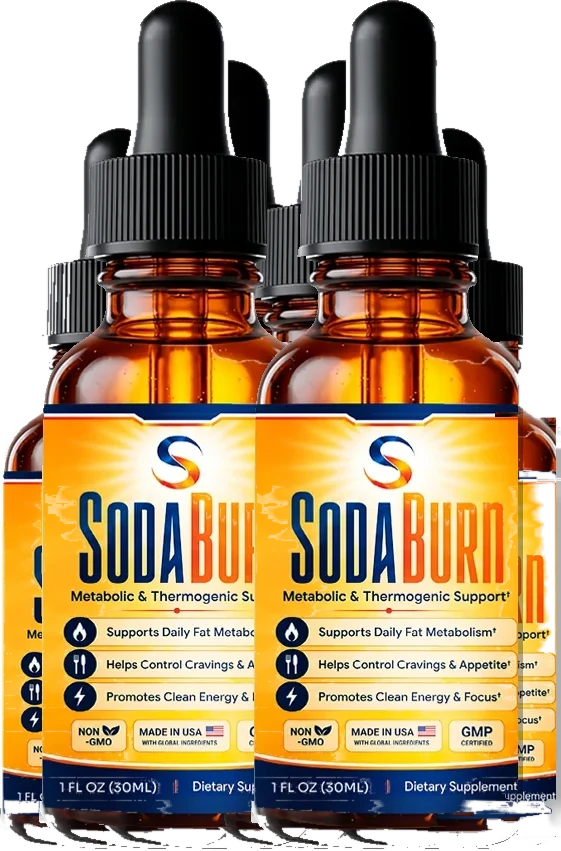
SodaBurn skips berberine and bets on green tea and green coffee botanicals, L-carnitine, cayenne and chromium in a once-daily dropper. The official page shows every ingredient, its amount and the current price, so you can judge it on evidence and tolerance.
View Ingredients & Availability