Are Weight Loss Supplements Safe With the Medicines You Already Take?
Quick Answer: Are Weight Loss Supplements Safe With Prescriptions?
For most healthy adults the common ingredients in weight-loss and metabolism formulas are well tolerated on their own. The question that actually matters is not whether they are safe in the abstract, but whether they are safe with your particular medicines — because a small number of botanicals genuinely change how a drug is absorbed or cleared. Fifteen minutes with a written medicine list and a pharmacist settles it better than any label, and it costs nothing.
- Highest-priority drug classes: blood thinners, thyroid medication, diabetes medication, immunosuppressants.
- What to bring: every prescription, every over-the-counter medicine and every supplement, with the dose of each.
- Who to ask first: a pharmacist — no appointment, no fee, and they hold the interaction database.
Why the interaction question almost never gets asked
Prescription medicines pass through a pharmacist who sees your whole record. Supplements do not. You add them to a basket, they arrive in the post, and no one anywhere in that chain looks at what else you swallow each morning. The result is a quiet gap: people who would never double up on two painkillers without asking will happily stack four botanical extracts on top of a daily prescription, because the packaging feels like food rather than medicine.
The word doing most of the damage is "natural". Natural describes where a compound came from, not how strongly it acts. Some of the most potent enzyme-altering substances known to pharmacology are plant extracts, and grapefruit juice — about as natural as it gets — carries formal warnings on dozens of drug labels. A botanical concentrated forty-fold into a capsule is a long way from the plant it was pressed out of.
There is also a simple reporting problem. Surveys run by the National Institutes of Health have repeatedly found that a large share of supplement users never mention their products to a doctor, often because nobody asked. A clinician looking at your chart sees the prescriptions and nothing else. If the fatigue, the loose stools or the odd bruising started three weeks after you began a new capsule, the connection only exists if you make it out loud.
Are weight loss supplements safe when you take daily medication?
The honest answer is: usually, with named exceptions that are worth knowing by heart. Fibre bulkers, plant extracts and the ordinary vitamin and mineral end of the shelf have a long record of being well tolerated in healthy adults. The exceptions cluster in three places. First, anything containing meaningful caffeine — green tea extract and green coffee are the usual sources — stacks on top of coffee, energy drinks and stimulant medication. Second, botanicals that act on drug-metabolising enzymes, of which St John's wort is the textbook case and berberine a growing one. Third, fibre and mineral-heavy products that physically bind a drug in the gut and reduce how much of it reaches your bloodstream.
Two groups should treat the question as a genuine gate rather than a formality. If you take an anticoagulant, small shifts in vitamin K intake or in platelet behaviour matter more than they do for anyone else. If your immune system is suppressed by medication or illness, live bacterial products deserve a specific conversation with the prescribing team, because the usual risk calculation does not apply to you. Neither of those is a reason to panic; both are a reason to ask before rather than after.
So when people search whether weight loss supplements are safe, they are usually asking a question with no general answer. Safety is a property of a combination, not of a bottle. The same prebiotic that is unremarkable for one person is worth spacing away from a thyroid tablet for another, and the only way to know which case you are is to write the list down and show it to somebody who can read it.
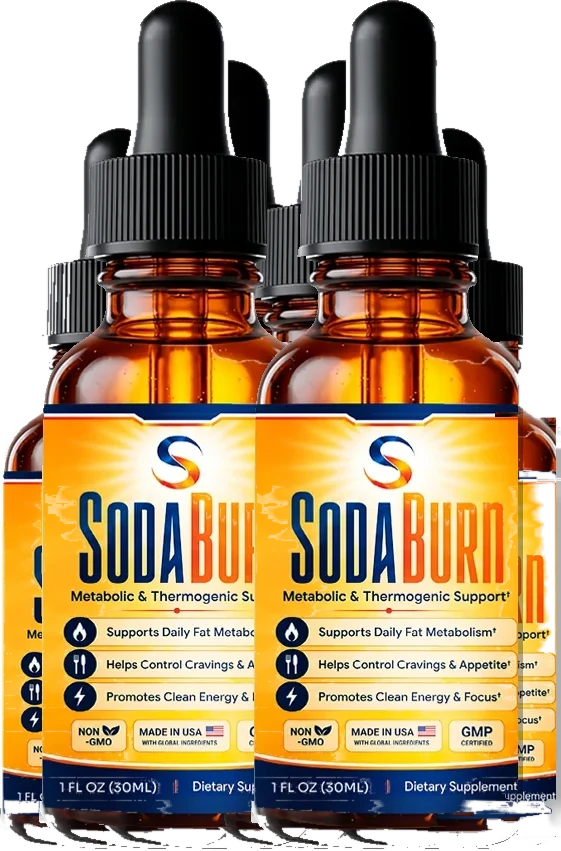
Full label, full ingredient list, before you buy
If you are comparing the best weight loss supplement options for a metabolism-focused routine, read the ingredient panel first — it is the only page that tells you what you would actually be adding to your medicine list.
See the Official Product PageThe four ways a supplement can collide with a drug
Interactions are not mysterious. Almost all of them fall into four mechanisms, and knowing which one you are dealing with tells you whether a fix is even possible.
Absorption. Something in the supplement grabs the drug in your gut before it can cross into the blood. Soluble fibres, calcium, magnesium and iron are the classic culprits. The saving grace is that this is a timing problem: separate the two by several hours and the collision usually disappears.
Metabolism. The supplement speeds up or slows down the liver enzymes that clear a drug. Speed them up and the drug is destroyed before it works; slow them down and it accumulates. This is the mechanism behind the well-documented St John's wort interactions and behind the grapefruit warnings. Timing does not fix it, because the enzyme change lasts for days.
Additive effect. The supplement pushes in the same direction as the drug. A chromium or berberine product alongside glucose-lowering medication, or a caffeine-containing thermogenic alongside a stimulant, is not an interaction in the chemical sense — it is two things doing the same job at once, and the total can overshoot.
Monitoring interference. The rarest and the sneakiest. High-dose biotin is the well-known example: it can distort certain laboratory immunoassays, so the blood test is wrong even though nothing has happened to you. Anyone having thyroid or cardiac markers checked should mention supplements to the person taking the sample.
Build a one-page list before you ask anyone
The check is only as good as the list you bring, and most people underestimate what belongs on it. Write down every prescription with its dose and how often you take it. Add the over-the-counter items people forget they are taking at all: painkillers, antihistamines, antacids, sleep aids. Then add every supplement, including the multivitamin that has been in the cupboard for two years and anything herbal you take as a tea rather than a capsule.
For supplements, copy the numbers off the label rather than the product name. "Green tea extract" tells a pharmacist nothing; "green tea extract 500 mg standardised to 45 percent EGCG" tells them a great deal. If the label uses a proprietary blend and hides the individual amounts, write that down too — the fact that the doses are undisclosed is itself information, and it will change the advice you get.
Photograph the labels while you are at it. A phone photo of the supplement facts panel is faster than transcribing it, survives the walk to the pharmacy, and gives whoever you ask the batch number if anything later needs tracing. If you want to go a step further, our guide to reading a certificate of analysis covers what the numbers on that panel are supposed to be backed by.
Ingredients that come up most often in an interaction check
The table below is a starting point for the conversation, not a verdict. It lists ingredients that appear repeatedly in metabolic and weight-loss formulas, the interaction most often raised about each, and how strong the underlying evidence is. Note how much of it sits at "limited" — that is an honest description of the field, not a reason to relax.
| Ingredient | Typically found in | Interaction to raise | Evidence strength |
|---|---|---|---|
| St John's wort | Mood and sleep formulas | Strongly induces drug-metabolising enzymes; affects many drug classes | Strong and well documented |
| Green tea extract (EGCG + caffeine) | Thermogenic and metabolism formulas | Adds to total caffeine load; high-dose extract carries liver cautions | Moderate for caffeine, limited for catechins |
| Berberine | Metabolic and weight-loss formulas | Affects drug-metabolising enzymes; adds to glucose-lowering drugs | Moderate, largely mechanistic |
| Fibre bulkers (glucomannan, psyllium, inulin) | Appetite-suppressant formulas | Can slow or reduce absorption of oral drugs taken at the same time | Moderate; a timing problem |
| Chromium | Blood sugar and metabolism formulas | May add to the effect of glucose-lowering medication | Weak and inconsistent |
| High-dose biotin | Hair, skin and nail formulas | Can distort some laboratory blood test results | Established for specific assays |
How to run the check in fifteen minutes
Start at a pharmacy counter, not a search box. Hand over the list, say plainly that you are thinking of starting a supplement and want to know if anything on it clashes, and ask three specific questions: is there anything here I should not combine, does anything need spacing apart, and is there anything my doctor should know before my next blood test. Pharmacists answer this several times a day and it is the highest-value fifteen minutes in the whole process.
Before you go, read the relevant fact sheets from the NIH Office of Dietary Supplements for any ingredient you are unsure about. They are written for professionals but plainly enough for anyone, they state doses, and they are explicit about which claims are supported and which are not. MedlinePlus, run by the National Library of Medicine, carries the same information in a more consumer-facing form.
Then change one thing at a time. Starting three new products in the same week guarantees that if something goes wrong you will not know which one caused it. Introduce a single product, keep a two-line note of anything you notice for a fortnight, and only then consider adding another. If you are weighing up where to buy fat burner supplements or which metabolism formula to start with, that one-at-a-time discipline is worth more than any comparison chart.
A supplement that clears an interaction check is not thereby proven to work. Those are two separate questions, and passing the safety one says nothing at all about the efficacy one.
What this checklist cannot do
Be clear about the limits, because a checklist that oversells itself is worse than none. Running this process does not clear a product as safe. Interaction databases are built from case reports, laboratory work and a relatively small number of formal trials, and the coverage of botanical ingredients is thin compared with prescription drugs. An ingredient can be absent from the database because nobody has studied it, which looks identical to being absent because it is harmless.
Second, dietary supplements in the United States are not approved by the Food and Drug Administration before sale. Manufacturers are responsible for their own safety and labelling, and enforcement is mostly after the fact. That is why the amount on the label and the amount in the bottle can differ, and why proprietary blends make a genuine interaction check impossible — you cannot assess a dose you are not allowed to see.
Third, nothing in this article is a substitute for a clinician who knows your history. It is general information for a healthy adult, and it does not apply to pregnancy, to children, or to anyone managing a diagnosed condition. No supplement discussed here is intended to diagnose, treat, cure or prevent any disease, and none should ever replace a prescribed medicine.
Finally, a clean check on day one is not permanent. Prescriptions change, doses change, and the formula inside a supplement can be reformulated without the front of the bottle looking any different. Re-run the list whenever a prescription changes and whenever you buy a product for the first time in a while. If you want to see how one metabolism-focused formula lays out its ingredients and amounts for exactly this kind of scrutiny, the SodaBurn ingredient breakdown is a reasonable worked example.
Medical note: this article is general information, not medical advice, and it does not replace a conversation with a qualified professional. Speak to a doctor or pharmacist before starting any supplement, especially if you are pregnant, nursing, taking prescription medication or managing a health condition. Never stop a prescribed medicine on the basis of an article.
Frequently asked questions
Are weight loss supplements safe to take with prescription medication?
For most healthy adults they are well tolerated, but safety depends on the specific ingredient and the specific drug, not on the category as a whole. The combinations that need a real check are blood thinners, thyroid medication, diabetes medication and immunosuppressants. Take your full medicine list to a pharmacist before you start anything new.
Who should I ask about a supplement and drug interaction?
Your pharmacist first. Pharmacists are the easiest healthcare professional to reach without an appointment, they hold the interaction databases, and the conversation is usually free. Bring every prescription, every over-the-counter medicine and every supplement you take, with the dose of each one.
Does taking a supplement at a different time of day avoid interactions?
Sometimes, but not always. Spacing doses a few hours apart helps with absorption-type interactions, such as fibre or minerals binding a drug in the gut. It does nothing for interactions that work through liver enzymes or that add to a drug effect, because those depend on what is circulating in your blood rather than what is in your stomach.
Do I need to tell my doctor about supplements I buy myself?
Yes. Supplements are not recorded on your prescription list, so a doctor cannot see them unless you say so. Mention every product by name at appointments and before any surgery or new prescription, because some ingredients affect bleeding, blood sugar or how quickly a drug is cleared.

One last practical point. If you are already reading up on ingredients, the evidence base is worth understanding on its own terms — our look at green tea catechins and the weight-loss trial data shows how modest the real effects tend to be once you get past the marketing. A product that is safe alongside your medicines and honest about its evidence is a much better bet than one that is loud about neither. And if something does go wrong once you have started, our walkthrough on reporting a bad reaction to a supplement sets out who to tell first and what to keep hold of.
Scientific references
- NIH Office of Dietary Supplements — Dietary supplement fact sheets, including interaction sections
- NIH NCCIH — Herb-drug interactions and what is known about them
- Mayo Clinic — Dietary supplements: what to know before you buy
- Harvard Health — Dietary supplements: do they help or hurt?
- Asher G.N. et al. — Common herbal dietary supplement-drug interactions, American Family Physician (2017)
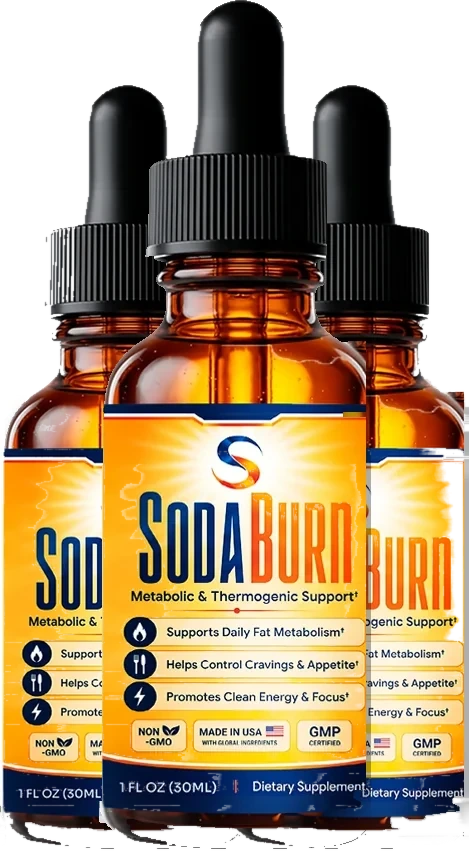
Check the label before you check out
SodaBurn is a once-daily liquid formula built around green tea and green coffee botanicals, L-carnitine, cayenne and chromium. Every ingredient and amount is listed on the official page, so you can take it straight to your pharmacist.
View Ingredients & Availability