Chromium, Blood Sugar and Cravings: What Chromium Does for Weight Loss
Quick Answer: Does Chromium Help With Weight Loss?
Only modestly, and indirectly. Chromium is a trace mineral that helps insulin move glucose into cells, so steadier blood sugar can mean fewer sharp crashes and fewer sudden sugar cravings. Human chromium weight loss trials show small, mixed results. In Sodaburn it works as a supporting cofactor for appetite control, never as a standalone fat burner.
- Main role: a cofactor that supports insulin action and steadier blood sugar.
- Possible bonus: some users report fewer late-night sugar cravings.
- Key caveat: if you take diabetes medication, ask a doctor first.

Why a trace mineral turns up in a fat-loss dropper
Open the label on almost any weight-management formula and, somewhere below the botanicals, you will find chromium. It is easy to skim past. It is measured in micrograms rather than milligrams, it has no taste, and it does nothing you can feel in the way caffeine does. So the reasonable question — the one people actually type into a search bar — is why a trace mineral belongs in a product sold for chromium weight loss at all. The answer is not that chromium melts fat. It is that chromium plays a quiet, supporting role in how your body handles the sugar in your bloodstream, and that job connects directly to appetite and cravings, which are the parts of dieting most people actually struggle with.
Chromium is an essential trace element, meaning your body cannot make it and has to get small amounts from food — broccoli, whole grains, meat and some fruits are typical sources. Its best-understood function is as a cofactor: a helper that makes another process run more smoothly. In chromium's case, that process is the action of insulin, the hormone responsible for ushering glucose out of the blood and into your cells where it can be used for energy. When that hand-off works well, blood sugar rises and falls in gentle waves after meals. When it works poorly, you get sharper spikes and steeper crashes — and those crashes are exactly when the vending machine starts to look appealing.
How chromium supports insulin and steadier blood sugar
Think of insulin as a key and your cells as doors. After you eat, glucose floods the bloodstream and insulin goes to work opening doors so that glucose can get inside. Chromium appears to help the key turn a little more easily — improving what researchers call insulin sensitivity. That does not mean more insulin; it means the insulin you already produce works a bit more efficiently. The practical consequence, in theory, is a flatter blood-sugar curve: less of the dramatic post-meal peak, and less of the reactive dip that follows a couple of hours later.
This matters for weight because of what those dips do to behaviour. A blood-sugar crash is a physiological nudge toward fast energy, and fast energy means sugar and refined carbohydrate. The mid-afternoon slump, the 9pm biscuit, the "I was doing so well until dinner" collapse — a good share of these are not failures of willpower so much as the body chasing glucose after a swing. Anything that softens the swing can, in principle, soften the craving that rides on the back of it. That is the mechanism chromium is trading on, and it is a genuinely plausible one. It is also, importantly, a supporting mechanism. Chromium is helping a system you already have; it is not a stimulant, an appetite drug, or a fat-oxidiser.
What chromium is doing, in one table
| What people expect | What chromium actually does |
|---|---|
| Burns fat directly | No — it is a cofactor, not a thermogenic |
| Supports insulin action | Yes — its best-understood role, improving how efficiently insulin works |
| Steadies blood sugar | Plausibly — a flatter post-meal curve in some people |
| Reduces sugar cravings | Sometimes reported; mechanism is reasonable, trial data mixed |
| Causes weight loss alone | No — only a small, inconsistent effect, and only within a diet |
The cravings question, handled honestly
The most interesting claim attached to chromium is the one about cravings, so it deserves a careful, non-hyped look. There is a body of user reports — and a handful of small studies, some in people with atypical depression and carbohydrate craving — suggesting chromium picolinate may take the edge off the urge to snack on sweets. The proposed pathway is exactly the blood-sugar-stabilising one above: fewer crashes, fewer cravings. It is a tidy story and it is not implausible.
But two things keep it honest. First, the studies are small and inconsistent, and craving is notoriously hard to measure objectively, so the effect could be real, modest, or partly expectation. Second, cravings are driven by far more than blood sugar — sleep, stress, habit, dopamine, and simple availability all play their part, and no capsule touches those. So the fair way to hold this is as a possible, gentle bonus for some people, not a promised feature. If chromium quietens your evening sweet tooth, that is a genuine help to adherence. If it does not, you have lost nothing, because the mineral is doing its background insulin-support job regardless.
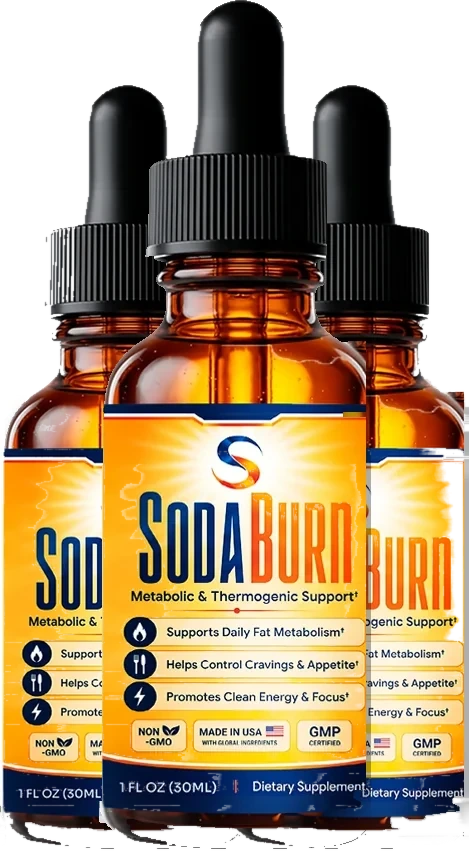
See exactly how much chromium is in the blend
Sodaburn lists its chromium dose in micrograms alongside every other ingredient, so you can judge the amount instead of guessing at a proprietary blend. Read the full supplement facts before you decide.
See the Ingredient Panel & OfferWhat the chromium weight loss evidence really shows
Here is where marketing and reality tend to part company. Chromium picolinate has been studied for weight loss more than almost any other trace mineral, and the pooled result is underwhelming in the most instructive way. Meta-analyses find a small average reduction in body weight compared with placebo — on the order of a pound or so — and the individual trials scatter widely, some showing a little benefit and others showing none. The National Institutes of Health, reviewing the same literature, describes the effect on weight as small and of uncertain clinical significance. That is not a scandal; it is simply what a supporting cofactor looks like when you hold it to a hard outcome.
The lesson is the same one that applies to every ingredient in this category: modest, conditional, and only meaningful alongside the work that actually drives fat loss. A calorie deficit created by diet and movement does the heavy lifting. Chromium, at best, makes the deficit slightly easier to stick to by smoothing blood sugar and, for some, softening cravings. Anyone selling it as a reason you can eat the same and still lose weight is overselling a mineral. If you want the wider picture on which supplement ingredients earn their place and which are filler, our 2026 weight-loss supplement buyer's guide lays out the same evidence-first standard across the whole shelf.

Three objections worth answering
"If the effect is so small, why include it at all?" Because a formula is a team, and cofactors earn their spot by supporting the system rather than by producing a headline effect. Chromium's contribution is to the blood-sugar-and-appetite side of the equation, which is precisely the side that determines whether someone can stay in a deficit long enough for the diet to work. A small, well-tolerated ingredient that helps adherence is a reasonable inclusion, provided nobody pretends it is the star.
"Isn't chromium just a filler to make the label look busier?" It can be, when a product tucks a token amount inside an undisclosed blend so the word "chromium" appears without a real dose behind it. The defence against that is transparency. A label that states the elemental chromium in micrograms is showing its work; one that buries it is not. That single number — disclosed, in a sensible range — is the difference between a genuine cofactor and marketing dust.
"Can I just eat more broccoli and skip the supplement?" Quite possibly, and that is a fair point. Chromium is present in a normal varied diet, and outright deficiency is uncommon. The case for supplementing is not that you are deficient; it is that a modest, consistent dose alongside other appetite-supporting ingredients may help nudge blood sugar and cravings in the right direction while you do the real work. If your diet is already rich in whole grains, vegetables and lean protein, you are getting chromium anyway — the supplement is a convenience and a small support, not a rescue.
The one caution that genuinely matters
For most healthy adults, chromium at the doses found in weight-loss formulas has a good safety record. The exception is important enough to state plainly, and it is the same one that runs through the FAQ: because chromium can influence blood sugar, combining it with insulin or other glucose-lowering medication could, in theory, push levels lower than intended. This is not a reason for alarm, but it is a reason to ask first. If you have diabetes, prediabetes, or take any medication that affects blood sugar, treat a chromium-containing supplement as a genuine conversation with your doctor or pharmacist, not a formality — and never adjust a prescription on your own. The broader habit of running every new supplement past the medicines you already take is worth building; our guide to checking supplements against your medicines walks through exactly how to do that in about fifteen minutes.
Medical note: this article is general information, not medical advice. Speak to a healthcare professional before starting any supplement, especially if you are pregnant, nursing, managing diabetes, or taking any medication that affects blood sugar. Chromium can influence glucose levels, and no supplement should replace a prescribed medicine.
Frequently asked questions
Does chromium help with weight loss?
Only modestly, and mostly indirectly. Pooled trials of chromium picolinate show a small average effect on body weight - often a pound or two - and the results are inconsistent from study to study. Its more plausible role is supporting insulin action and steadier blood sugar, which can make appetite and sugar cravings easier to manage inside a calorie deficit. It is a supporting cofactor, not a fat burner, and it does nothing on its own.
Can chromium reduce sugar cravings?
Some people report fewer late-night and mid-afternoon sugar cravings on chromium, and there is a reasonable mechanism behind it: by helping insulin move glucose into cells, chromium may soften the blood-sugar swings that drive the urge to reach for something sweet. The trial evidence is mixed and the effect, where it exists, is gentle. Treat reduced cravings as a possible bonus rather than a guaranteed outcome.
Is chromium safe with diabetes medication?
This is the one caution to take seriously. Because chromium can influence blood sugar, taking it alongside insulin or other glucose-lowering medication could in theory push levels too low. Anyone with diabetes or on blood-sugar medication should speak to their doctor or pharmacist before starting a chromium-containing supplement, and should not adjust any prescription on the basis of an article.
How much chromium is in weight loss supplements?
Most weight-loss formulas use chromium in the low hundreds of micrograms, commonly as chromium picolinate, which is well within the range used in trials and considered safe for healthy adults. The number worth checking on any label is the elemental chromium content in micrograms, not the weight of the chromium compound. If a product hides it inside an undisclosed proprietary blend, you cannot judge the dose at all.
Scientific references
- NIH Office of Dietary Supplements — Chromium fact sheet
- NIH ODS — Dietary Supplements for Weight Loss
- NIH ODS — Chromium: the consumer fact sheet
- MedlinePlus — Dietary supplements: uses, evidence and cautions
- Onakpoya I. et al. — Chromium supplementation in overweight and obesity: a systematic review and meta-analysis of randomised clinical trials, Obesity Reviews (2013)
Related reading
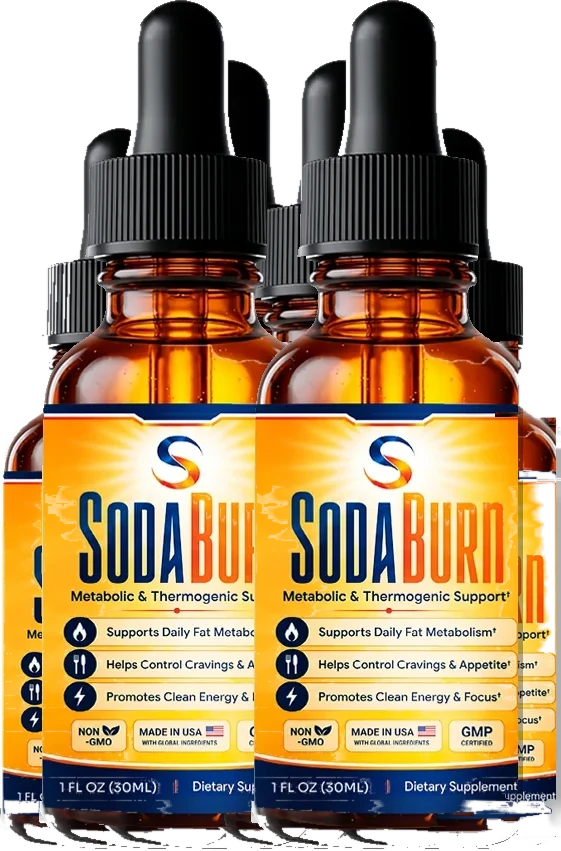
See how SodaBurn uses chromium
Chromium, green tea, green coffee, L-carnitine and cayenne in one daily dropper — every dose disclosed, every ingredient's evidence laid out so you can judge it yourself.
View the Formula & Availability