Weight Loss Supplement Manufacturer: How to Verify Who Actually Makes Your Bottle
Quick Answer: How Do You Find Out Who Makes a Supplement?
Read the small print on the back label first. United States rules require every supplement to carry the name and address of the manufacturer, packer or distributor, and the exact wording tells you which one it is: "Manufactured by" means that firm made it, while "Manufactured for" or "Distributed by" means somebody else did. If the label only names a brand, the manufacturer is a contract facility you will have to ask about directly, and a company that will not answer that question has told you something useful.
- Look for: the qualifying phrase before the company name, plus a real street address rather than a mailbox.
- Verify with: facility registration, third-party certification marks, and the public recall and warning-letter records.
- Remember: "FDA registered" is an entry on a list, not approval of the product.
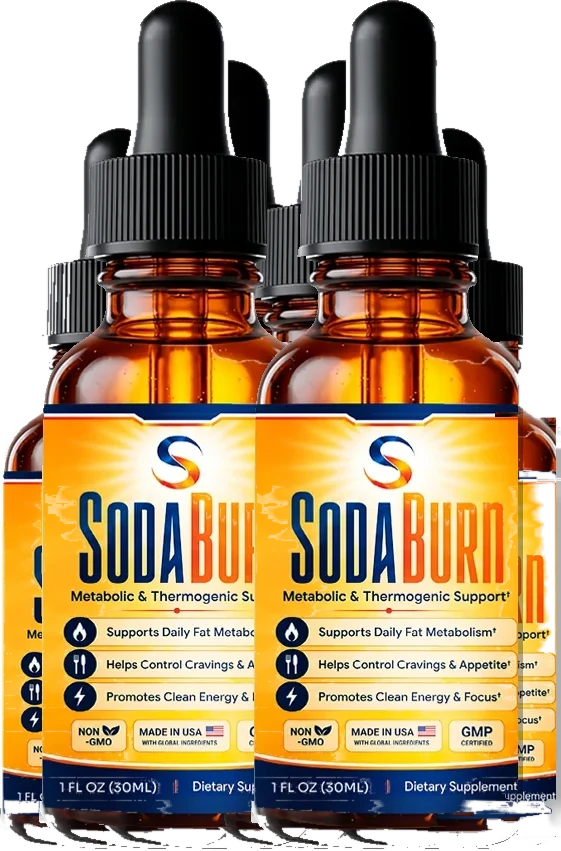
The brand on the front usually did not make the product
Most people assume a supplement company owns a factory. Very few do. The dominant model in this industry is a brand owner who develops a formula, commissions a contract manufacturer to produce it, and sells the finished product under its own name. The brand handles marketing, the website and customer service; the contract facility handles sourcing, blending, encapsulating, filling and testing. Both are legitimate roles, and this arrangement is normal across food, cosmetics and household goods too. Knowing which facility actually filled the bottle still matters, because what ends up inside varies more than buyers assume: DNA barcoding of North American herbal products found product substitution or unlisted filler species in a majority of the samples tested, and the facility is where that either gets caught or does not.
The trouble is what the arrangement does to accountability when you are a buyer trying to judge quality. You are being asked to trust a manufacturing process run by a company whose name never appears in any marketing. The brand cannot tell you much about how the powder was tested because the brand did not test it. If nobody names the facility, there is nothing to look up, nothing to inspect, and no track record to weigh.
It also explains a pattern you will recognise once you know to look for it: several products with entirely different branding, different origin stories and different founders, all with suspiciously similar formulas and identical bottle shapes. That usually means one contract facility with a house formula, licensed out to several brands. It is not fraud. But it does mean the founder story on the sales page is describing marketing rather than manufacturing.
The three names on a bottle, and what each one is telling you
Federal labelling rules for dietary supplements require the name and place of business of the manufacturer, packer or distributor to appear on the label. Crucially, if the named firm is not the actual manufacturer, the name has to be qualified — which is why the small print reads the way it does.
"Manufactured by [company]" is the strongest statement. That firm made the product, and the address given should be the facility or the company that operates it. This is the least common of the three on consumer supplement labels.
"Manufactured for [company]" or "Distributed by [company]" tells you the named firm is the brand owner, not the maker. This is the usual case. It is not a warning sign in itself, but it means the identity of the actual manufacturer is not on the label and you will have to ask for it.
The address deserves as much attention as the name. A street address that resolves to an office suite, a mail forwarding service or a residential property tells you the company is a marketing operation. Again, that is not automatically bad — but a brand claiming to run "our state-of-the-art facility" while listing a virtual office is describing something that does not exist.
How to verify a weight loss supplement manufacturer in twenty minutes
Checking a weight loss supplement manufacturer is a short, repeatable sequence, and none of it requires special access. Work through it in order and stop early if something fails badly.
One: read the label statement. Photograph the back label and find the qualifying phrase. Write down the company name, the full address and any facility identifier printed alongside it. This takes two minutes and settles the basic question of whether the brand is the maker.
Two: look up the company. Search the exact company name plus the state. You are looking for a business registration, a physical facility, and how long the entity has existed. A brand incorporated four months ago selling a formula described as the result of a decade of research is worth a second look.
Three: check the facility claims. If the site says "FDA registered facility", understand what that means before you weigh it: facilities that manufacture, pack, label or hold dietary supplements must register with the agency, and that registration is an administrative listing, not an inspection result and not approval of anything inside the bottle.
Four: check the public enforcement record. The FDA publishes recalls, market withdrawals and warning letters, and both are searchable by company name. A warning letter naming manufacturing practice failures at a facility is the single most informative document you will find in this whole process, and it costs nothing to look.
Five: ask the brand directly. Email customer service and ask three questions: which facility manufactures the product, whether that facility holds a third-party good manufacturing practice certification and from which auditor, and whether they will send the certificate of analysis for the lot number on your bottle. The answers matter, and so does the response — a brand that answers all three plainly is behaving very differently from one that replies with a paragraph of reassurance and no names.
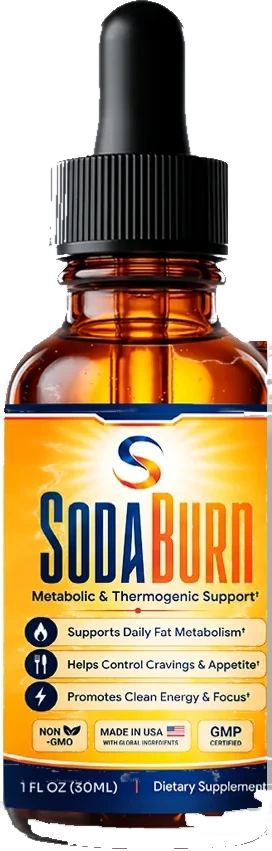
Check the label before you decide
If you are working out where to buy weight loss supplements you can actually trace, the official product page is the place to start — full ingredient panel, amounts, manufacturing disclosures and current price in one place.
See the Official Product PageWhat the common trust marks actually mean
Manufacturing badges are the most misread part of a supplement label, because several of them describe a legal minimum while looking like an achievement. The table below sorts the common ones by how much independent scrutiny sits behind each.
| Claim or mark | What it actually means | Where to verify it | How much it tells you |
|---|---|---|---|
| "FDA approved" | Nothing — the FDA does not approve dietary supplements before sale | Not verifiable, because it does not exist for this category | None; treat as a red flag |
| "FDA registered facility" | The site is on the agency's facility list, as the law requires | Registration is not public in a searchable consumer database | Low — administrative, not an assessment |
| "GMP compliant" | A self-declaration of following rules that are already mandatory | Unverifiable unless an auditor is named | Low on its own |
| Third-party GMP certification (NSF, UL, NPA) | An outside body audited the facility against a published standard | The certifying body's own online directory | Moderate to high for process quality |
| Product certification (USP Verified, NSF Certified for Sport) | The finished product was tested against label claims | The certifier's product listing | Highest, and the rarest in this category |
| Certificate of analysis for your lot | Test results for the specific batch you were sent | Request from the brand; confirm the lab is independent | High if the lab is genuinely third-party |
| "Made in the USA" | Where final manufacture happened, not where ingredients came from | Company disclosure only | Low regarding raw material sourcing |
Good manufacturing practice, and why the phrase is weaker than it sounds
Since 2007 the United States has had a specific set of current good manufacturing practice regulations for dietary supplements, covering identity testing of incoming ingredients, batch records, equipment cleaning, personnel training and finished-product specifications. They are legally binding on every facility making supplements for the American market. That is exactly why "GMP compliant" printed on a bottle carries so little information: it is the equivalent of a restaurant advertising that it follows food hygiene law.
What changes the calculation is who checked. A certification from an independent auditor — NSF, UL, the Natural Products Association and a handful of others run these schemes — means an outside inspector visited the site, examined records against a published standard and issued a certificate with an expiry date. That is a meaningfully different claim, and it is verifiable, because those bodies publish directories of the facilities they have certified. If a bottle carries a certification mark, spend two minutes confirming the facility appears in the certifier's own list rather than trusting the logo.
Note carefully what facility certification does and does not cover. It says the plant is run properly. It does not say the finished product contains what the label claims, and it says nothing at all about whether the formula works. Those are three separate questions, and the marketing on most sales pages blurs them into one.
A certified facility, an accurate label and an effective formula are three different claims. A product can satisfy the first two completely and still do nothing useful for you.
Red flags worth walking away from
Some findings are minor and some should end the purchase. In roughly descending order of seriousness: any claim that the product is "FDA approved", because that category does not exist for supplements and a company willing to say it is either uninformed or dishonest. A manufacturer name that appears nowhere — not on the label, not on the site, not in an email reply. A proprietary blend that hides the individual amounts, which makes both dose comparison and any meaningful interaction check impossible.
Then the softer signals. No lot number or expiry printed on the bottle. A website with no physical address and no telephone number. Claims that the product treats, cures or prevents a named disease, which is a straightforward regulatory violation and tells you the company is either unaware of the rules or willing to ignore them. Before-and-after imagery presented as typical. Countdown timers on a page that has been running the same offer for a year.
Finally, a genuinely useful test: buy the same product twice, a few months apart, and compare the labels. Formulas get reformulated quietly, contract facilities get switched, and amounts drift. A brand whose panel is identical across batches is at least stable, and stability is a reasonable proxy for a supply chain somebody is paying attention to.

What this verification cannot tell you
Being honest about the ceiling here matters, because a checklist that promises certainty encourages exactly the false confidence it is meant to prevent. Confirming a manufacturer tells you who is responsible. It does not tell you the product is good, and it certainly does not tell you the formula does anything. A well-run facility can flawlessly produce a supplement built on weak evidence, and frequently does.
Second, most of the useful records are incomplete from a consumer's point of view. Facility registration is not exposed in a friendly searchable database. Inspection outcomes only become visible when they were bad enough to generate a public letter. The absence of a warning letter means nobody has published one, which is not the same as a clean history.
Third, verification is a snapshot. Brands change contract manufacturers, certifications lapse, and a company sold to new owners can keep the same label and the same story while everything behind it changes. A check you ran two years ago describes a company that may no longer exist in the same form.
Fourth, none of this addresses safety for you personally. A perfectly manufactured product can still interact with your prescriptions or contain an ingredient you should avoid, which is a separate exercise entirely — our checklist on checking supplements against the medicines you already take covers that conversation. And if something does go wrong after you start a product, knowing the manufacturer's name is precisely what makes the complaint go somewhere: see our walkthrough on reporting a bad reaction to a supplement.
Finally, no supplement discussed here is intended to diagnose, treat, cure or prevent any disease, and nothing in this article is medical advice. Manufacturing quality is a floor, not a promise. If you want to see how one metabolic formula presents its ingredients, amounts and manufacturing disclosures for this kind of scrutiny, the SodaBurn ingredient breakdown lays them out in one place.
Medical note: this article is general information about supplement manufacturing and labelling, not medical advice. Speak to a doctor or pharmacist before starting any supplement, especially if you are pregnant, nursing, taking prescription medication or managing a health condition. Manufacturing quality says nothing about whether a product is appropriate for you.
Frequently asked questions
How do I find out who manufactures a supplement?
Start with the small print on the label. United States rules require a supplement to carry the name and place of business of the manufacturer, packer or distributor, and the wording tells you which of the three it is. Manufactured by means the named firm made it. Manufactured for or Distributed by means somebody else did, and you then have to ask the brand directly which facility produced the batch.
Does FDA registered mean a supplement is FDA approved?
No. Facilities that make, pack, label or hold dietary supplements have to register with the Food and Drug Administration, but registration is an address on a list, not an assessment of the product. The agency does not approve dietary supplements before sale, and it does not permit firms to present registration as an endorsement. Treat the phrase as an administrative fact and nothing more.
What does GMP certified actually mean on a supplement label?
Good manufacturing practice rules are a legal requirement for every supplement facility in the United States, so the phrase describes a baseline rather than a distinction. The version worth something is a certification issued by an independent auditor such as NSF, UL or the Natural Products Association, because that involves a scheduled inspection by an outside body. Look for the auditor name, not the initials alone.
Is a contract manufacturer a bad sign?
No. Most supplement brands use contract manufacturers, including large and well regarded ones, because building a compliant facility is expensive and specialised. The problem is never outsourcing itself. It is a brand that will not say which facility it uses, cannot produce a batch document when asked, and hides behind a phrase like industry leading facility instead of a name you can look up.
A closing note on how this fits the shopping process. People generally arrive at this category searching for the best weight loss supplement and choose between products on the strength of the sales page, which is the one document guaranteed to be written by the party with the most to gain. Manufacturing checks are the cheap counterweight: twenty minutes, no expertise, and they eliminate the worst options before money changes hands. The next step after identifying the maker is asking that maker for numbers — our guide to reading a certificate of analysis explains what to do with the document when it arrives.
Scientific references
- NIH Office of Dietary Supplements — Dietary supplements: what you need to know
- NIH ODS — How to evaluate information about dietary supplements
- NIH NCCIH — Using dietary supplements wisely
- Newmaster S.G. et al. — DNA barcoding detects contamination and substitution in North American herbal products, BMC Medicine (2013)
- Mayo Clinic — Dietary supplements: what to know before you buy
- Harvard Health — Dietary supplements: do they help or hurt?
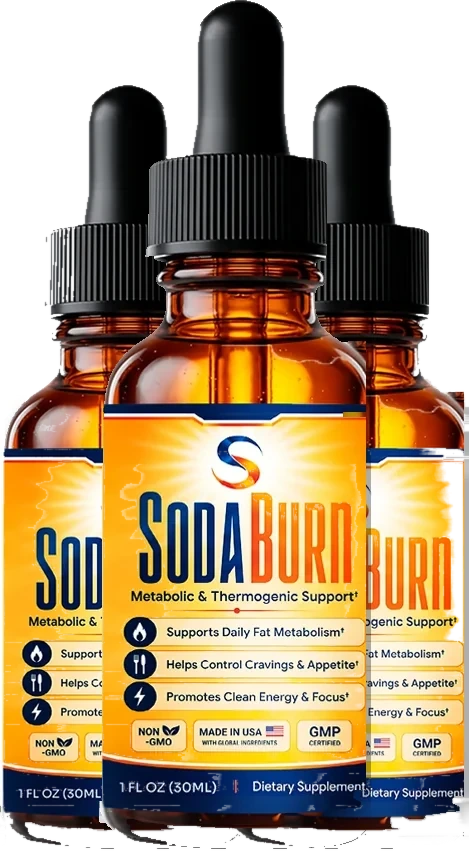
See the label, the amounts and the disclosures
SodaBurn is a once-daily liquid formula built around green tea and green coffee botanicals, L-carnitine, cayenne and chromium. The official page carries the full ingredient panel, the manufacturing disclosures and the current price in one place.
View Ingredients & Availability