Best Natural Appetite Suppressants That Work: An Honest 2026 Evidence Ranking
Quick Answer: What Is the Best Natural Appetite Suppressant?
The most effective natural appetite suppressant is protein, which triggers the satiety hormones GLP-1 and PYY and slows stomach emptying so you stay full on fewer calories. Soluble fiber ranks second, with green tea and caffeine offering modest thermogenic support. All work best inside a calorie deficit, not instead of one.
- Strongest: protein at every meal (~0.7–1g per pound of bodyweight daily).
- Reliable second: soluble fiber like glucomannan, ~1g before meals with a full glass of water.
- Modest helpers: green tea, EGCG and caffeine; fenugreek and 5-HTP have thinner evidence.

Why hunger, not willpower, is usually the problem
If you keep starting a diet and abandoning it by mid-afternoon, the issue is rarely discipline. It is hunger, and hunger is a hormonal signal you cannot simply out-argue. That is exactly why so many people search for a natural appetite suppressant: they want something that quietly turns the volume down on cravings so a calorie deficit stops feeling like a fight. The good news is that some natural approaches genuinely blunt appetite. The honest news is that the strongest ones are not exotic pills at all, and the weakest ones are the products shouting the loudest.
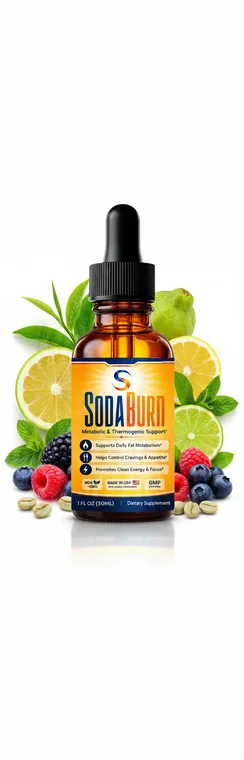
This guide ranks the natural appetite suppressants that hold up when you actually read the research, flags the ones running on hype, and shows you how to build a routine you can feel today. Where a green-tea-based dropper like SodaBurn fits in, we will place honestly — as an easy add-on to a protein-and-fiber foundation, never as a replacement for it. No product on earth, ours included, suppresses appetite enough to override a diet, and any page telling you otherwise is selling, not informing.
1. Protein: the most effective natural appetite suppressant, full stop
If you take one thing from this article, take this: protein is the single most effective natural appetite suppressant, and the gap between it and everything else is not close. When you eat protein, your gut releases satiety hormones and your stomach empties more slowly. In controlled feeding work, a high-protein diet produced sustained reductions in appetite and in how much people ate when left to eat freely, even as leptin and ghrelin shifted in the opposite direction. The combined effect is that a protein-forward meal keeps you satisfied for hours longer than the same number of calories from refined carbs or fat.
The practical target is roughly 0.7 to 1 gram of protein per pound of goal bodyweight per day, spread across meals so each one carries 25 to 40 grams. That is a palm-plus of chicken, fish, eggs, Greek yogurt, tofu or a scoop of whey. People who hit that number almost always report the same thing: the constant background hunger fades, snacking urges shrink, and the calorie deficit that was white-knuckle suddenly becomes livable. Protein also carries a small thermic bonus — your body burns more energy digesting it than it does carbs or fat — but the appetite effect is the headline.
No capsule can match what a protein habit does. This is the foundation every other item on this list is merely decorating.
2. Soluble fiber: cheap, safe, and genuinely filling
The reliable runner-up is soluble fiber. It works through simple physics and slow chemistry: soluble fiber absorbs water and forms a gel in your stomach, which adds volume, slows digestion and stretches out the release of nutrients so you feel full sooner and stay full longer. Beans, oats, lentils, apples, chia and vegetables are the whole-food sources, and getting most of your fiber from food is the smartest move because it comes bundled with everything else those foods offer.
The most-studied supplemental version is glucomannan, a viscous fiber from the konjac root. The evidence-based approach is roughly 1 gram taken about 15 to 30 minutes before a meal with a full glass of water, so it can expand in your stomach ahead of eating. Two cautions matter. First, the water is not optional — viscous fiber taken dry can be a genuine choking hazard, so always down it with plenty of liquid. Second, ramp up slowly, because jumping straight to a high dose is a fast track to bloating and gas. Introduced sensibly, soluble fiber is one of the cheapest, safest appetite levers you can pull.
3. Green tea, EGCG and caffeine: modest, real, worth stacking
Now we move into the tier of ingredients that do something measurable but small. Caffeine is a mild, well-documented appetite suppressant and thermogenic: it can briefly reduce hunger and nudge up energy expenditure. Green tea adds catechins, chiefly EGCG, which pair with that caffeine to give a modest lift in the calories you burn and a small assist with appetite. This is the family a green-tea-based formula is built around, and it is a legitimate route — broad evidence, generally gentle tolerance for most people, and a sensible fit once the big levers are in place. If you want the deeper research picture, our breakdown of the green tea and EGCG weight-loss evidence lays out what the trials actually found.
The word to keep front of mind is modest. Green tea and caffeine will not make a doughnut irrelevant or erase a calorie surplus. What they can do is take the edge off between meals and add a small, consistent tailwind to a routine that is already anchored by protein, fiber and a deficit. Two other supporting compounds live nearby: our look at cayenne and capsaicin for thermogenic fat burning covers the pepper compound that adds a little heat and satiety, while how chromium may steady blood sugar and blunt cravings looks at the mineral studied for the sugar-crash hunger that derails so many afternoons.
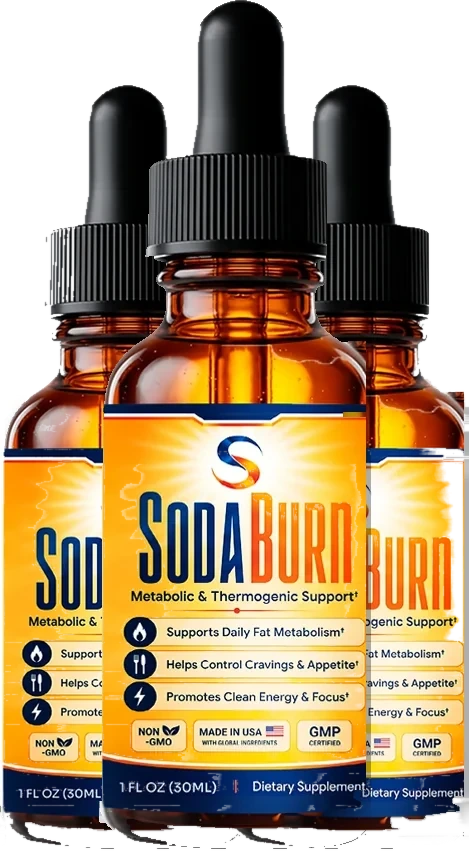
Want the green-tea route in one daily dropper?
Once your protein and fiber are handled, a green-tea-and-caffeine formula is an easy add-on rather than another thing to cook. SodaBurn puts green tea, green coffee, L-carnitine, cayenne and chromium into a once-daily liquid. The official page lists every ingredient, its amount and the current price, so you can weigh it against the evidence above.
See the Official Ingredient Panel4. Fenugreek and 5-HTP: interesting, but the evidence is thin
Two names come up constantly in appetite-suppressant marketing and deserve a candid label rather than a hype paragraph. Fenugreek, a seed rich in soluble fiber, has some small studies hinting it may reduce hunger and fat intake — but the trials are limited, the effect is inconsistent, and much of what it does likely overlaps with the plain fiber mechanism you can get more cheaply from food. 5-HTP, a serotonin precursor, has a scattering of small studies suggesting a possible reduction in appetite, yet the research base is thin, the quality is uneven, and it can interact with medications that affect serotonin, which makes casual daily use a genuine caution rather than a convenience.
Neither is a scam. Both are simply early-stage stories dressed up as sure things. Until the evidence catches up, they belong in the “maybe, at the margins” column, well below protein and fiber, and never as the centrepiece of a plan.
The honest ceiling: natural suppressants vs prescription GLP-1 drugs
Here is the context that most appetite-suppressant pages quietly skip. The reason prescription GLP-1 medications have reshaped weight loss is that they hammer the exact satiety pathway that food gently taps. They are powerful, they are prescribed and monitored for good reason, and they operate on a completely different scale from anything you can buy off a shelf. A natural appetite suppressant — protein, fiber, green tea, caffeine — produces modest results by comparison. That is not a knock; it is the frame that keeps your expectations honest.
What natural levers do well is make a sustainable calorie deficit feel achievable, day after day, without a prescription. That is a real and valuable job. But if you are picturing appetite vanishing the way it can on medication, no supplement will deliver that, and any product implying it will is overclaiming. For the wider view of which shelf supplements earn their place, our guide to diet supplements that actually help fat loss separates the modest winners from the noise.
How the natural appetite suppressants compare at a glance
| Suppressant | How it curbs appetite | Evidence strength |
|---|---|---|
| Protein | Triggers GLP-1 & PYY, slows gastric emptying | Strong — the clear number one |
| Soluble fiber / glucomannan | Gels in the stomach, adds volume, slows digestion | Good — take before meals with water |
| Green tea / EGCG + caffeine | Mild hunger dip plus modest thermogenesis | Modest but real — a useful add-on |
| Cayenne / capsaicin | Small satiety and thermic bump from the heat | Modest — supporting role only |
| Fenugreek, 5-HTP | Possible appetite reduction, mechanism unclear | Thin — early, inconsistent studies |
How to suppress your appetite without relying on a pill
The most powerful appetite tools require no purchase at all, and skipping them while chasing a supplement is the classic mistake. Four habits do the heavy lifting. First, anchor every meal with protein, because it is the lever with the biggest return. Second, build in soluble fiber from beans, oats, vegetables and fruit so meals carry more volume per calorie. Third, drink a full glass of water before you eat — mild dehydration is routinely mistaken for hunger, and pre-loading water genuinely reduces intake. Fourth, protect your sleep: seven to nine hours keeps the hunger hormone ghrelin and the fullness hormone leptin in balance, while short sleep reliably cranks appetite and cravings the next day.
Get those four right and you have done more for appetite control than any capsule can. A supplement enters the picture only after this foundation is solid — as a small, convenient tailwind, not a substitute for the boring fundamentals that actually move the needle.
The best natural appetite suppressant is not sold in a bottle at all — it is a protein-and-fiber meal, a glass of water and a full night's sleep. Supplements decorate that foundation; they never replace it.
Three appetite-suppressant myths worth retiring
Myth one: a strong enough suppressant means you can ignore calories. No natural suppressant works outside a calorie deficit. Protein and fiber make the deficit easier to hold; they do not delete the arithmetic. If the calories are not in check, appetite tricks are rearranging deck chairs.
Myth two: more stimulant equals less hunger. Piling on caffeine buys you jitters, poor sleep and an afternoon crash long before it buys meaningful appetite control — and wrecked sleep raises hunger the next day, undoing the point. Moderate doses, kept away from the evening, are where the benefit lives.
Myth three: natural means you can ignore the dose and the interactions. Natural is not a synonym for inert. Viscous fiber needs water to be safe, stimulants have a ceiling, and compounds like 5-HTP can interact with medication. Respecting the details is what keeps a natural approach genuinely low-risk.
Medical note: this article is general information, not medical advice, and no supplement is intended to diagnose, treat, cure or prevent any disease. Appetite and weight are influenced by many factors, and results vary. Speak to a doctor or pharmacist before starting any supplement, especially if you take prescription medicine, are pregnant or nursing, or manage a health condition.
Frequently asked questions
What is the most effective natural appetite suppressant?
Protein is the single most effective natural appetite suppressant with the strongest evidence. It triggers the satiety hormones GLP-1 and PYY and slows how fast your stomach empties, so a protein-forward meal keeps you full longer than the same calories from carbs or fat. Soluble fiber is the next best lever, with green tea and caffeine offering modest support.
Do natural appetite suppressants actually work for weight loss?
They work, but modestly and only as helpers. Protein and soluble fiber genuinely reduce hunger and can make a calorie deficit easier to hold, which is what actually drives weight loss. They are nowhere near as powerful as prescription GLP-1 drugs, and no natural suppressant lowers hunger enough to work without a reduced-calorie diet behind it.
How can I suppress my appetite without pills?
Anchor every meal with 25 to 40 grams of protein, add soluble fiber from beans, oats and vegetables, drink a full glass of water before eating, and prioritise seven to nine hours of sleep. Poor sleep and dehydration both amplify hunger, so fixing them often does more than any supplement, and none of it requires a pill.
Are natural appetite suppressants safe to take every day?
Whole-food levers like protein and fiber are safe daily for most healthy adults; ramp fiber up slowly with plenty of water to avoid bloating. Stimulant-based options such as caffeine and green tea extract are best kept to moderate doses and away from the evening. If you take medication, are pregnant or nursing, or manage a health condition, ask a clinician first.
Related reading
- Berberine for weight loss: what to know — the trending metabolic alkaloid, honestly assessed.
- Chromium, blood sugar and cravings — the mineral studied for sugar-crash hunger.
- Cayenne and capsaicin for thermogenic fat burning — the pepper compound that adds heat and satiety.
- Diet supplements that actually help fat loss — separating the modest winners from the noise.
Scientific references
- NIH Office of Dietary Supplements — Dietary Supplements for Weight Loss
- Weigle D.S. et al. — A high-protein diet induces sustained reductions in appetite, ad libitum caloric intake and body weight, American Journal of Clinical Nutrition (2005)
- Keithley J.K. et al. — Safety and efficacy of glucomannan for weight loss in overweight and moderately obese adults, Journal of Obesity (2013)
- NIH NCCIH — Green tea, catechins and caffeine
- NIH ODS — How to evaluate information about dietary supplements
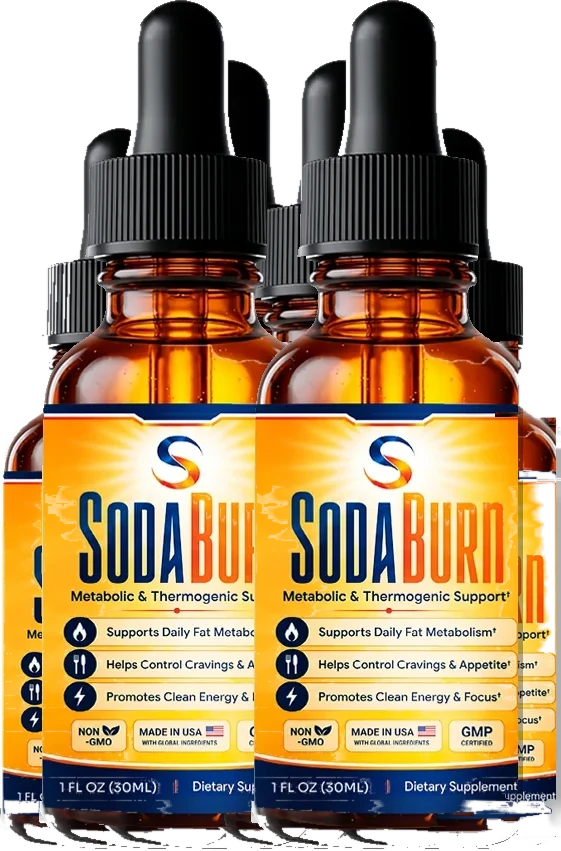
Put a green-tea add-on on top of the fundamentals
Protein and fiber do the heavy lifting; a green-tea-and-caffeine dropper is the easy tailwind on top. SodaBurn combines green tea, green coffee, L-carnitine, cayenne and chromium in a once-daily liquid. The official page shows every ingredient, its amount and the current price, so you can judge it on evidence and tolerance.
View Ingredients & Availability