Maca Root: Energy and Metabolism Benefits, Explained Honestly
Quick Answer: What Are the Benefits of Maca Root?
The core maca root benefits are adaptogenic: it is an Andean root traditionally used to support energy, stamina and mood, with modern studies pointing to modest gains in perceived vitality. Its weight-loss role is indirect — steady energy makes diet and exercise easier to stick to. It is a supporting botanical, not a stimulant or a fat burner.
- Traditional use: energy, stamina, mood and libido support.
- Weight angle: indirect — better adherence, not direct fat loss.
- Feel: a gentle lift, not the spike-and-crash of caffeine.

Why maca root sits in a fat-loss dropper
If you scan the label of a thermogenic formula and stop on "maca root," it is fair to wonder what a South American root vegetable is doing next to green tea and cayenne. Maca is not a stimulant, it does not obviously raise your metabolic rate, and nobody claims it dissolves fat. So why is it there? The honest answer is that the maca root benefits worth talking about are about energy, stamina and mood — and those three things quietly decide whether anyone actually sticks to the diet and the training that produce weight loss in the first place. Maca is not on the label to burn fat. It is there to help you keep showing up.
Maca — Lepidium meyenii — grows high in the Peruvian Andes and has been eaten as a food and used as a folk tonic for centuries. It is classed as an adaptogen, a loose category of botanicals thought to help the body cope with everyday physical and mental stress. That word gets abused in marketing, so it is worth being precise: an adaptogen is not a drug with a single sharp effect. It is a plant associated with gentle, supportive, whole-system nudges — the kind of thing you notice as feeling a bit more even, a bit more able to keep going, rather than a jolt you can point to.
The energy and stamina angle, without the overreach
The most consistent thread in maca's traditional and modern reputation is energy. Andean communities have long used it to support stamina at altitude and through hard physical work. The modern clinical record is thinner than that reputation and points mainly at mood rather than at stamina: a pilot trial in postmenopausal women reported reductions in depression scores and blood pressure. No trial has directly measured maca against fatigue or perceived energy, so that part rests on user reports rather than data. The important nuance is the kind of energy. Maca is not caffeine. There is no rush, no jitter, and no crash a few hours later. People who respond to it describe something steadier: a background sense of having more in the tank, rather than a stimulant peak.
That distinction matters more than it first appears for anyone using a thermogenic blend. Stimulant energy is easy to feel and easy to overdo, and it comes with the familiar downsides of caffeine sensitivity, disturbed sleep and afternoon slumps. A gentler, non-stimulant source of steadiness is a useful counterweight in the same formula — it supports the will to move without adding to the caffeine load. If you are the kind of person who reacts strongly to stimulants, understanding that balance is worth your time; our guide to Berberine for Weight Loss: What to Know Before You Compare Metabolic Supplements covers how to read a label so the stimulant side does not overwhelm the supporting botanicals like maca.
What maca is, and is not
| People assume | The honest position |
|---|---|
| A fat burner | No — no meaningful direct effect on fat loss |
| A caffeine-style stimulant | No — a gentle lift, not a spike and crash |
| An energy and stamina support | Yes — its most consistent traditional and reported benefit |
| A mood and vitality botanical | Some supporting evidence, mostly small studies |
| A metabolism booster | Limited direct evidence; benefit is indirect via adherence |
Where the weight-loss connection actually lives
Let us be direct about the thing people most want to know: maca does not, on any good evidence, make you lose weight by itself. There is no compelling data that it burns fat, suppresses appetite meaningfully, or raises your resting metabolic rate to a degree that matters. Anyone selling it as a fat-loss ingredient in that literal sense is overreaching. The connection to weight is real but indirect, and it runs entirely through behaviour.
Here is the chain. Weight loss requires a sustained calorie deficit. A sustained deficit requires adherence — showing up to workouts, staying active on tired days, not abandoning a plan the first difficult week. Adherence is heavily influenced by energy and mood, which are exactly the things maca is associated with supporting. So a botanical that helps you feel steadier and more willing to move does not burn a single gram of fat directly, yet it can still improve the outcome by protecting the behaviour that does. That is not a marketing dodge; it is simply where an adaptogen's value sits. The metabolic benefit is downstream of the energy benefit, not a separate claim.
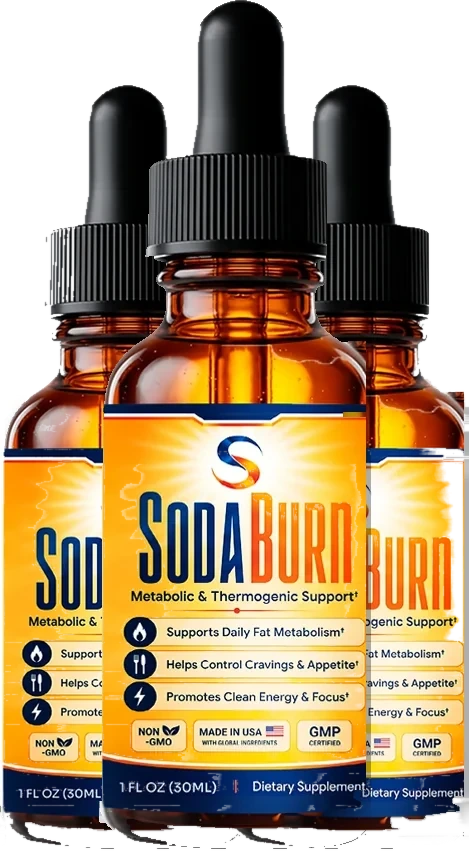
See where maca fits the full formula
Sodaburn pairs maca's steady-energy support with green tea, green coffee, L-carnitine, cayenne and chromium in one daily dropper — every ingredient and its role laid out on the official page.
See the Ingredients & OfferThree objections worth taking seriously
"Adaptogen just means it does nothing measurable." It is true that "adaptogen" is a soft category and that the evidence base for maca is modest and made of small studies. But soft is not the same as empty. The traditional-use record is long and consistent, a randomised trial found measurable improvements in psychological symptoms and wellbeing, and maca has a good safety profile. The fair verdict is "gently supportive, modestly evidenced" — not "proven drug," but not "inert" either.
"If it doesn't burn fat, it is just filler." This assumes every ingredient in a weight-loss formula must attack fat directly, which is a misunderstanding of how a good blend works. Some ingredients aim at the metabolic side, some at appetite and blood sugar, and some — like maca — at the human side: the energy and consistency that determine whether the plan survives contact with real life. A supporting botanical that improves adherence is doing a real job, provided the label is honest about which job that is.
"I could just drink more coffee for energy." You could, and for a quick lift caffeine is more reliable. But caffeine has a ceiling and a cost — tolerance, sleep disruption, jitteriness — and stacking more of it is not a strategy that scales. Maca's appeal is precisely that it is a non-stimulant route to steadiness, so it can complement a modest amount of caffeine rather than compete with it. Different tool, different role.

Safety, tolerability and sensible expectations
Maca has a reassuring safety record in normal, food-like amounts, which is one reason it appears in so many blends. Most people tolerate it well; the most common complaint is mild digestive upset when first starting, which usually settles. The meaningful cautions are hormonal: because maca may interact with hormone pathways, anyone who is pregnant or nursing, or who has a hormone-sensitive condition or a thyroid concern, should check with a healthcare professional before using it. As always, the sensible pattern is to start low, notice how you respond over a couple of weeks, and run any new supplement past the medicines you already take.
Expectations are the last piece, and they decide whether you will judge maca fairly. If you expect a fat-burner, you will be disappointed, because it is not one. If you expect a jittery stimulant, you will be surprised, because it is not that either. If you expect a gentle, supportive nudge toward steadier energy and mood — the kind of thing that helps you lace up your shoes on a low-motivation evening — you are holding it correctly. That is what an adaptogen offers, and it is a genuine, if quiet, contribution to a weight-management routine. For the wider view of which supporting ingredients earn their place on a label and which are there for show, our 2026 weight-loss supplement buyer's guide applies the same evidence-first lens across the whole category.
Medical note: this article is general information, not medical advice. Maca may act on hormone pathways. If you are pregnant, nursing, have a hormone-sensitive or thyroid condition, or take any medication, speak to a healthcare professional before starting maca or any supplement. No supplement is intended to diagnose, treat, cure or prevent any disease.
Frequently asked questions
What are the benefits of maca root?
Maca is an adaptogenic root vegetable from the Andes, traditionally used to support energy, stamina, mood and libido. The best of the modern evidence points to modest benefits for perceived energy and wellbeing, with some studies on sexual function. It is best understood as a gentle, supportive botanical for day-to-day vitality rather than a treatment for any condition, and it is not a stimulant like caffeine.
Does maca root help with weight loss?
Not directly. There is little evidence that maca burns fat or suppresses appetite in any meaningful way. Its role in a weight-management blend is indirect: by supporting steady energy and mood, it may make it easier to stay active and stick to a plan over time. Adherence is what drives results, so a botanical that helps you keep going has value, but maca is a supporting player, not a fat burner.
Does maca boost energy and metabolism?
Many people report steadier energy and stamina on maca, and traditional use centres on exactly that. Unlike caffeine, it does not spike and crash - the effect is described as a gentle lift rather than a jolt. Direct evidence that maca raises metabolic rate is limited, so the honest framing is energy and stamina support that can help you train and move more, which is where the metabolic benefit actually comes from.
Are there side effects to maca root?
Maca is generally well tolerated in normal food-like amounts, and most people take it without trouble. Some report mild digestive upset when starting. Because it may act on hormones, anyone who is pregnant or nursing, or who has a hormone-sensitive condition or thyroid concerns, should speak to a healthcare professional first. As with any supplement, start low, see how you respond, and check it against any medication you take.
Scientific references
- Huerta Ojeda A. et al. — Effects of maca (Lepidium meyenii) on physical performance in animals and humans: a systematic review and meta-analysis, Nutrients (2024)
- NIH NCCIH — Dietary and herbal supplements: what the science says
- Stojanovska L. et al. — Maca reduces blood pressure and depression in a pilot study in postmenopausal women, Climacteric (2015)
- NIH Office of Dietary Supplements — Dietary Supplements for Weight Loss
- Brooks N.A. et al. — Beneficial effects of Lepidium meyenii (maca) on psychological symptoms and measures of sexual dysfunction in postmenopausal women, Menopause (2008)
Related reading
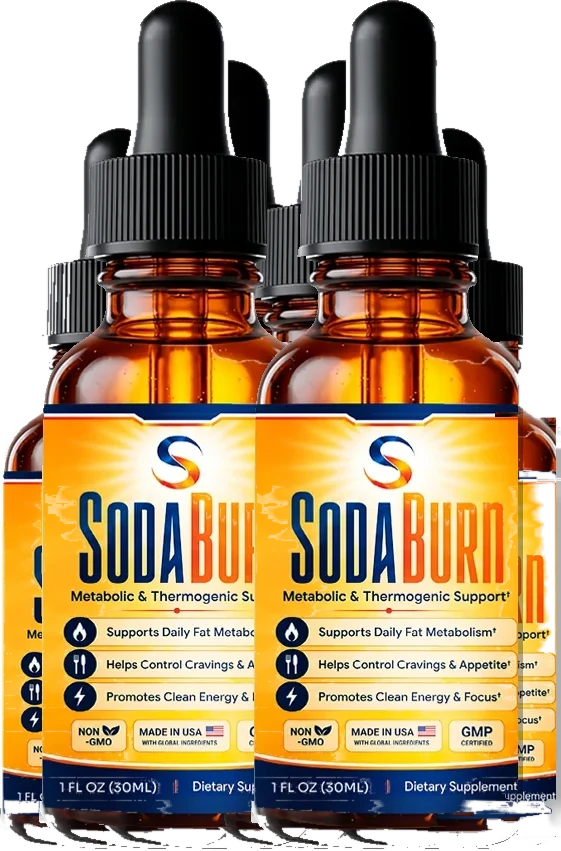
See how SodaBurn uses maca root
Maca's steady-energy support blended with green tea, green coffee, L-carnitine, cayenne and chromium in a once-daily dropper — every ingredient and its evidence laid out so you can judge it for yourself.
View the Formula & Availability